When you search for the best car insurance companies in India, you usually see ads about low premiums and instant policy. But what really matters is simple:
- Will the company actually pay your claim?
- How smooth and fast will the process be?
- What extra benefits do you get for the money you pay?
That is where claim settlement ratio (CSR) and benefits become more important than just the cheapest price. This guide explains CSR in plain language and helps you choose the right insurer based on both claim performance and real‑life benefits.
What Is Claim Settlement Ratio (CSR) in Car Insurance?
Claim Settlement Ratio (CSR) shows how many claims an insurer has approved and paid out of the total claims it received in a year.
For example, if a company gets 100 claims and settles 97 of them, its CSR is 97%.
- A higher CSR usually means:
- More chances your valid claim will be paid.
- Less hassle and fewer disputes.
- A lower CSR can be a warning sign:
- More rejected claims.
- Possible delays or stricter processes.
CSR data is generally published every year in official reports (for example, by IRDAI). When comparing companies, always try to look at the latest available CSR.
Why Claim Settlement Ratio Is Crucial
When your car meets with an accident, you don’t care about the shiny ad or cashback offer. You care about:
- “Will my claim be accepted?”
- “Will I get my car back on the road quickly?”
That’s why CSR is key. However, CSR alone is not enough. You should look at a combination of factors:
- Claim Settlement Ratio – shows how often the insurer pays valid claims.
- Cashless Garage Network – more garages means easier and faster repairs.
- Claim Process – digital claim intimation, app-based tracking, doorstep inspection, etc.
- Customer Service – how responsive and helpful they are when you call or chat.
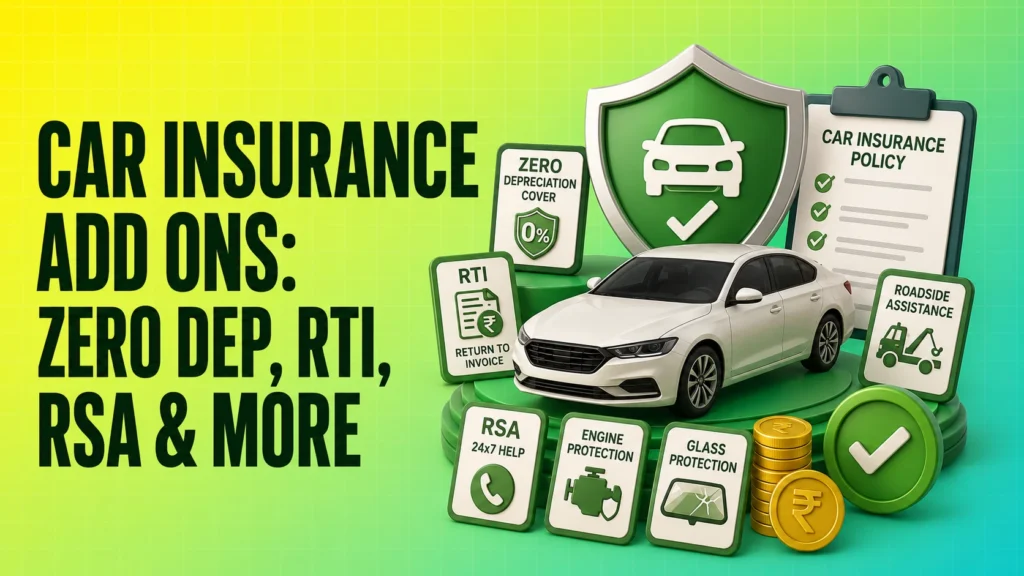
- Useful Add-ons – zero depreciation, engine protection, roadside assistance, return‑to‑invoice, etc.
Think of CSR as the starting filter, while these other factors help you choose the right insurer based on your needs.
Also Read: Insurance Claim Process: File, Track & Avoid Rejection
Quick Table: Best Car Insurance Companies in India
| Insurer / Category | Key Strengths & Highlights |
|---|---|
| HDFC ERGO | Wide cashless garage network and strong digital claim process for faster and smoother claim handling. |
| ICICI Lombard | Balanced choice with reliable coverage options, app support, and strong brand trust. |
| TATA AIG | Focuses on useful add-on covers and long-term vehicle protection solutions. |
| Royal Sundaram | Good mix of claim settlement ratio (CSR), customer-focused service, and comprehensive insurance plans. |
| Bajaj Allianz | Popular for roadside assistance, customer support, and a wide service network. |
| Digital-First Insurers (Acko, Go Digit) | Known for online convenience, app-based services, paperless processes, and quick digital claim support. |
Best Car Insurance Companies in India: Detailed Overview
1 HDFC ERGO Car Insurance – Wide Network & Digital Claims
Why consider it:
- One of the well-known names in car insurance.
- Strong presence of cashless garages in many cities.
- Good focus on online services: digital policy, app-based claim intimation, and tracking.
Key benefits you may find:
- Option for zero depreciation cover for new or relatively new cars.
- Roadside assistance add‑on for breakdowns.
- Various coverage options for both new and used cars.
Best suited for:
Daily commuters and car owners in urban areas who want a large garage network and a digital claim experience.
2 ICICI Lombard Car Insurance – Balanced Coverage & Convenience
Why consider it:
- Recognised brand with experience in general insurance.
- Typically offers a balanced mix of coverage, service, and claim support.
Key benefits you may find:
- App‑based claim inspection and online claim registration.
- Range of add‑ons like zero depreciation, engine protection, consumables cover.
- Comprehensive plans that can be tailored for different budgets.
Best suited for:
Users who want a reliable, well‑known insurer with a good mix of features and digital tools.
3 TATA AIG Car Insurance – Strong Add‑ons & Protection Focus
Why consider it:
- Part of a trusted brand group.
- Known for offering a strong range of add‑ons to enhance protection.
Key benefits you may find:
- Multiple add‑on covers tailored to protect the car’s value over time.
- Options that can be useful for people who keep their cars for many years.
- Focus on 24×7 assistance and support.
Best suited for:
Owners of mid‑range and premium cars, or those who value higher protection over simply low premiums.
4 Royal Sundaram Car Insurance – Customer-Centric Coverage
Why consider it:
- Offers a variety of car insurance plans with a customer-focused approach.
- Typically provides cashless claim support at a wide range of garages.
Key benefits you may find:
- Add-ons and covers that can be suited for families using the car regularly.
- Coverage that can be tuned for city as well as highway usage.
- Focus on personalised assistance.
Best suited for:
Families and regular users who want a solid, reliable policy with practical features.
5 Bajaj Allianz Car Insurance – Roadside Assistance & Support
Why consider it:
- Well‑known name with a wide reach.
- Often highlighted for its roadside assistance and support services.
Key benefits you may find:
- Roadside assistance that can help with towing, minor repairs, flat tyre, etc.
- Various add‑ons for better protection of your vehicle.
- Cashless repairs across many partner garages.
Best suited for:
People who travel by car frequently, especially on highways, and want strong backup in case of breakdowns or accidents.
6 Digital‑First Insurers (e.g., Acko, Go Digit) – App‑Based & Paper‑Light
Why consider them:
- Built around online purchase and service from day one.
- Generally simple, clean interfaces and quick digital processes.
Key benefits you may find:
- Instant policy issuance online.
- Fast claim intimation and documentation via app or website.
- Transparent display of plans and pricing.
Best suited for:
Tech‑savvy users who are comfortable handling everything online, from buying to claiming.
How to Choose the Best Car Insurance Company for Your Needs
There is no single “best” company for everyone. Your ideal insurer depends on:
- Car age and value
- How often and where you drive
- Your budget and risk comfort level
Here’s how to think about it by situation:
1 For New Car Owners
If you just bought a new car:
- Prefer comprehensive insurance.
- Look for:
- High CSR
- Zero depreciation cover
- Return to invoice (RTI) cover, if available
- Strong cashless network in your city
Your goal: maintain the car’s value and avoid heavy out‑of‑pocket expenses if anything happens early.
Also read: Return to Invoice Cover
2 For Older Cars
For older vehicles:
- Decide if comprehensive is still worth it or if third‑party only makes sense.
- Focus on:
- Premium vs expected repair cost.
- Whether you still need zero dep (usually not for very old cars).
- Basic own‑damage cover for peace of mind.
Your goal: avoid overpaying for add‑ons that do not bring real value for an older car.
3 For Daily City Commuters
If you drive daily in city traffic:
- Look for:
- High CSR
- Dense cashless garage network in your city.
- Roadside assistance for breakdowns.
- Quick digital claims and app support.
Your goal: quick repairs, minimal paperwork, and support in case of traffic accidents or minor bumps.
4 For Highway Travellers / Long‑Distance Drivers
If you often drive on highways or between cities:
- Look for:
- Strong 24×7 roadside assistance.
- Nationwide cashless network.
- Fast claim processing.
- Towing and emergency support.
Your goal: help when you are far from home, at any time of day.
5 For Budget‑Conscious Buyers
If budget is tight:
- Don’t just pick the cheapest premium.
- Instead:
- Shortlist insurers with decent CSR and garage network.
- Compare premiums for similar IDV (Insured Declared Value) and coverage.
- Trim only add‑ons that you truly do not need.
Your goal: get good value, not just the lowest price.
Also Read: What Are the Types of Car Insurance in India?
Key Benefits to Compare Beyond Claim Ratio
When you compare policies from different companies, check these points carefully:
1 Cashless Garage Network
- More partner garages = easier cashless repair.
- Check if garages are available near your home, office, and usual routes.
2 No‑Claim Bonus (NCB) & NCB Protection
- NCB gives you a discount on renewal premium if you don’t make a claim.
- Some insurers offer NCB protection add‑on, which helps you keep your bonus even after certain types of claims.
3 Useful Add‑on Covers
Common and helpful add‑ons include:
- Zero Depreciation – insurer pays without deducting depreciation on parts, useful for newer cars.
- Engine Protection – helpful in regions with waterlogging or flood risks.
- Roadside Assistance – towing, fuel delivery, jump start, etc.
- Return to Invoice (RTI) – in case of total loss or theft, you may get the invoice value instead of current market value.
You don’t need every add‑on. Pick only what matches your driving pattern and car age.
4 Digital & App Features
- Simple online purchase and renewal.
- Ability to file and track claims on app/website.
- Quick access to policy documents and support.
This saves time and avoids repeated visits to branches or agents.
5 Customer Service & Grievance Handling
- See how easy it is to reach support (call, email, chat).
- Look for genuine customer reviews that mention claim experience and issue resolution.
- Check if the company has a clear complaint redressal process.
Common Mistakes to Avoid When Selecting a Car Insurance Company
Many people repeat the same mistakes:
- Choosing only by lowest premium
Very cheap may also mean slow claims, fewer benefits, or difficult processes.
- Ignoring Claim Settlement Ratio
A lower CSR may increase your risk later when you actually need the money.
- Not Checking Garage Network
If there are no partner garages near you, cashless repair becomes difficult.
- Skipping the Policy Wording
Ignoring exclusions and conditions can lead to surprises during claims.
- Not Declaring Modifications or CNG Kits
Hiding these details can lead to claim rejection later.
- Not Comparing Enough Options
Stopping at the first quote can make you pay more or get less coverage.
Step‑by‑Step Guide: How to Compare & Buy
Use this simple process to avoid confusion:
- Shortlist 3–5 Insurers
Use CSR, reputation, and garage network as filters.
- Decide Coverage Type
Third‑party is mandatory, but for most owners, comprehensive is more practical.
- Set a Realistic IDV
Don’t set IDV too low just to reduce premium. It reduces your claim amount too.
- Pick Only Relevant Add‑ons
Choose based on:
- Car age
- City vs highway usage
- Local risks (flooding, theft, etc.)
- Compare Premiums Fairly
Compare for same IDV and add‑ons, not random combinations.
- Check Reviews & Support
Read user feedback on claim experience and service quality.
- Buy Online & Keep Records
Purchase from official website or trusted platforms.
Save:
- Policy PDF
- Customer care numbers
- Claim intimation process
FAQs
Q1. Which is the best car insurance company in India?
There is no single best company for everyone. The right choice depends on your budget, car type, and driving pattern. Look for a mix of high CSR, good garage network, and useful benefits.
Q2. What is a good claim settlement ratio for car insurance?
In general, a higher CSR is better, especially when compared among similar companies. However, you should not judge a company only by CSR; also see service quality and benefits.
Q3. Is 100% claim settlement ratio always the best?
Not necessarily. A very high CSR is good, but you should also check how fast claims are settled, how easy the process is, and whether the company offers the coverage and add‑ons you need.
Q4. Should I focus on CSR or premium?
Start with CSR and basic trust factors, then compare premiums for similar coverage. Don’t sacrifice reliability just to save a small amount every year.
Q5. How often is CSR data updated?
Claim settlement data is typically updated once a year in official reports. It’s a good idea to look at recent trends, not just a single year.