The best vehicle insurance in India is not the same for every person. For most car and bike owners, the best policy is a comprehensive vehicle insurance plan from an IRDAI-registered insurer with a strong cashless garage network near your city, fair premium, useful add-ons, clear exclusions and reliable claim support. So, instead of asking only “which is the best vehicle insurance company in India?”, you should ask: which company is best for my vehicle, location and claim needs?
In India, at least third-party motor insurance is legally required for vehicles used on public roads. Section 146 of the Motor Vehicles Act requires third-party insurance, and driving or allowing an uninsured vehicle to be driven can lead to punishment under Section 196.
This guide will help you choose the right vehicle insurance company in 2026
What Is Vehicle Insurance?
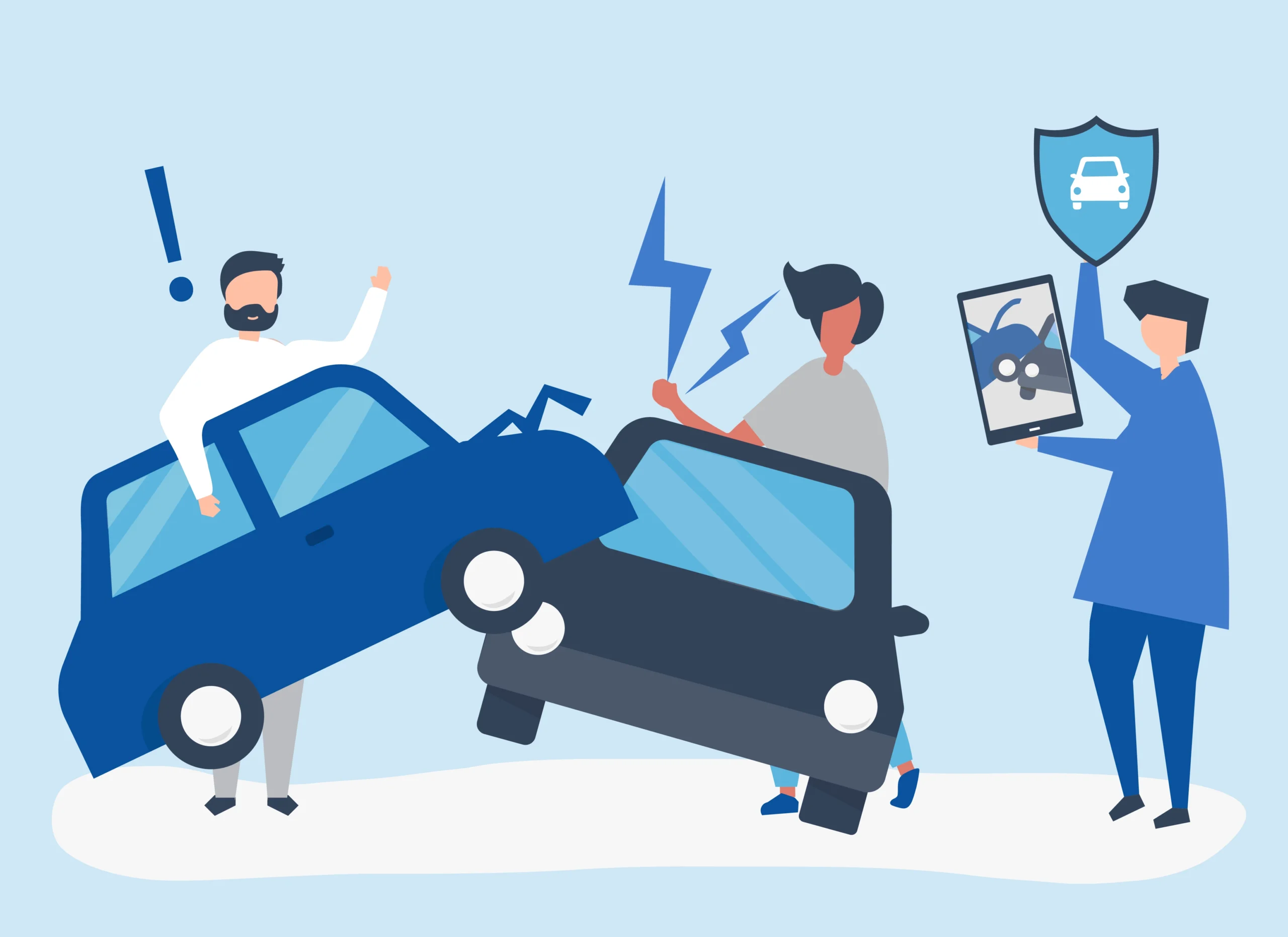
Vehicle insurance is a contract between you and an insurance company. You pay a premium, and the insurer provides financial protection for covered risks such as third-party liability, accident damage, theft, fire, natural calamity or own vehicle damage, depending on the policy type.
Vehicle insurance can apply to:
- Cars
- Bikes
- Scooters
- Commercial vehicles
- EVs
- Taxis
- Goods vehicles
Before buying, always check whether the insurer is registered with IRDAI. IRDAI maintains an updated list of non-life insurers operating in India.
Why Vehicle Insurance Matters in India
Vehicle insurance matters for three main reasons.
First, third-party insurance is legally compulsory. You cannot legally drive a vehicle on Indian roads without valid third-party insurance.
Second, accidents can create large financial liability. If your vehicle damages another person, vehicle or property, third-party insurance helps cover legal liability as per policy terms and law.
Third, comprehensive insurance can protect your own car or bike from damage due to accident, theft, fire, flood, storm, vandalism or other covered risks.
In simple words, vehicle insurance is not just a document for traffic police checking. It is a financial protection tool.
Types of Vehicle Insurance in India
Understanding the different types of car insurance in India can help you choose the right level of protection for your vehicle. The main types of vehicle insurance available in India are:
Third-Party Vehicle Insurance
Third-party insurance covers your legal liability if your vehicle causes injury, death or property damage to another person. It does not cover damage to your own vehicle.
This is the minimum legal requirement in India. If your budget is very tight, third-party insurance is the basic policy you must have. But it is not enough if you also want protection for your own car or bike.
Own Damage Insurance
Own damage insurance covers damage to your own vehicle due to covered events such as accident, theft, fire, flood or natural calamity.
It does not cover third-party liability by itself. So, it is usually taken along with an active third-party policy.
Comprehensive Vehicle Insurance
Comprehensive insurance combines third-party liability and own damage cover. It gives wider protection than only third-party insurance.
For most private car owners and many two-wheeler users, comprehensive insurance is usually more useful because it protects both legal liability and own vehicle damage, subject to policy terms.
Best Vehicle Insurance Company in India: How to Choose in 2026
There is no single best vehicle insurance company in India for everyone. A company that is good for a new SUV in Delhi may not be the best for a two-wheeler in a small town. A digital-first insurer may be convenient for online users, while a PSU insurer may have better familiarity in some local repair markets.
Use this comparison framework:
| Factor | Why It Matters |
|---|---|
| IRDAI registration | Ensures insurer is legally registered |
| Cashless garage network | Helps during repair claims |
| Claim process | Affects real claim experience |
| Premium | Should be affordable but not blindly cheapest |
| IDV | Impacts claim amount in theft/total loss |
| Add-ons | Helps customize protection |
| Exclusions | Shows what is not covered |
| Customer support | Important during accident or emergency |
| Renewal experience | Saves time and avoids policy lapse |
| Complaint handling | Important if claim is delayed or rejected |
The best approach is to shortlist 3 to 5 insurers and compare the same IDV, same add-ons and same deductible before deciding.
Best Insurance Depends on Vehicle Type
Different vehicles need different insurance choices.
| Vehicle/User Type | Better Policy Choice | Why |
|---|---|---|
| New car owner | Comprehensive + zero depreciation | Repair cost and depreciation can be high |
| Old car owner | Comprehensive or third-party depending on vehicle value | Add-ons may not be cost-effective |
| Daily bike user | Comprehensive with basic add-ons | Accident risk and repair needs are practical concerns |
| Low-use vehicle | Third-party or basic comprehensive | Depends on vehicle value and risk |
| EV owner | Comprehensive with battery/roadside support if available | EV repair and battery cost can be high |
| Second-hand vehicle buyer | Comprehensive after ownership transfer | Avoid mismatch in claim documents |
| Commercial vehicle owner | Strong claim support and legal liability cover | Downtime and liability risk are important |
Claim Experience Framework: What to Check Beyond Claim Settlement Ratio
Many users choose the best vehicle insurance company in India only by looking at claim settlement ratio. That is not enough.
A high claim settlement ratio may look good, but your actual experience depends on:
- Is there a cashless garage near your home or office?
- Does the garage handle your vehicle brand?
- How fast is claim inspection?
- Is pickup and drop available?
- Are spare parts easily approved?
- Are consumables covered or excluded?
- Does the company offer online claim tracking?
- Is customer support reachable during emergencies?
A practical way to check is to call 2 nearby garages and ask which insurers they frequently handle for cashless claims. This simple step can give you more real-world information than just reading a generic “top 10 insurance companies” list.
Dealer Insurance vs Online Insurance vs Direct Insurer
You can buy vehicle insurance from a dealer, insurer website, aggregator or agent. Each has pros and cons.
| Buying Channel | Benefits | Limitations |
|---|---|---|
| Dealer insurance | Convenient during new vehicle purchase | May be costlier, limited options |
| Online aggregator | Easy comparison of premium and add-ons | Need to check policy details carefully |
| Direct insurer website | Direct relationship with insurer | Less comparison across companies |
| Agent/broker | Personal assistance | Advice quality may vary |
For new cars, dealers often offer bundled insurance. It is convenient, but you should still compare IDV, add-ons, deductible and premium with online options before buying.
When Cheap Vehicle Insurance Can Become Expensive
Cheap vehicle insurance is not always bad. But the cheapest policy can become expensive if it reduces important protection.
Example:
Suppose two policies are available:
| Policy | Premium | IDV | Add-ons | Garage Network |
|---|---|---|---|---|
| Policy A | Low | Lower IDV | No useful add-ons | Few garages |
| Policy B | Slightly higher | Better IDV | Zero dep + RSA | More garages |
Policy A looks cheaper today. But during a major repair or theft claim, lower IDV, missing add-ons and limited garage access may create higher out-of-pocket cost.
So, compare total value, not only premium.
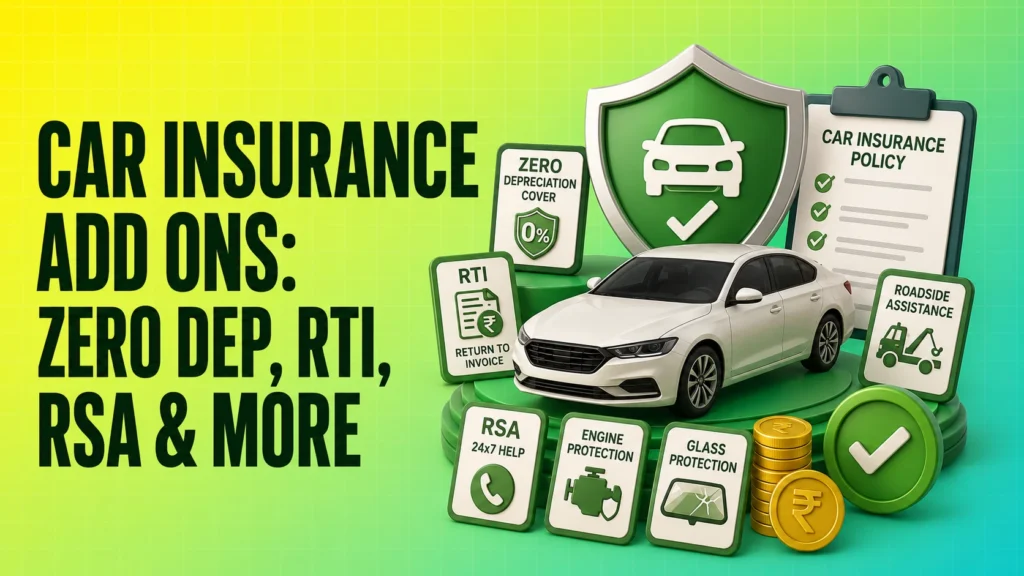
Useful Add-ons to Consider
Add-ons increase premium, but some can be useful depending on your vehicle and usage.
| Add-on | Useful For |
|---|---|
| Zero depreciation | New cars, expensive parts |
| Engine protection | Flood-prone areas |
| Roadside assistance | Highway users, EV owners, frequent travellers |
| Consumables cover | Reduces small repair expenses |
| Return to invoice | New vehicles, theft/total loss risk |
| NCB protection | Users with good no-claim history |
| Key replacement | Cars with costly smart keys |
Do not buy every add-on blindly. Choose add-ons based on your vehicle age, city, usage and budget.
When Add-ons May Not Be Worth It
Add-ons may not be useful in every case.
They may not be worth it when:
- Your vehicle is very old
- The add-on cost is too high compared to vehicle value
- The add-on has too many conditions
- Your city does not have relevant claim support
- You rarely use the vehicle
- The policy wording excludes your main risk
For example, zero depreciation is usually more useful for newer vehicles. For an old low-value car, paying a high add-on premium may not make sense.
Common Mistakes to Avoid
Avoid these mistakes while choosing vehicle insurance:
- Buying only the cheapest policy
- Not checking IDV
- Ignoring cashless garage network
- Choosing wrong vehicle details
- Not transferring insurance after buying a used vehicle
- Letting policy expire
- Not reading exclusions
- Assuming all damages are covered
- Not informing insurer immediately after accident
- Repairing vehicle before claim inspection without approval
These mistakes can lead to claim delay, deduction or rejection.
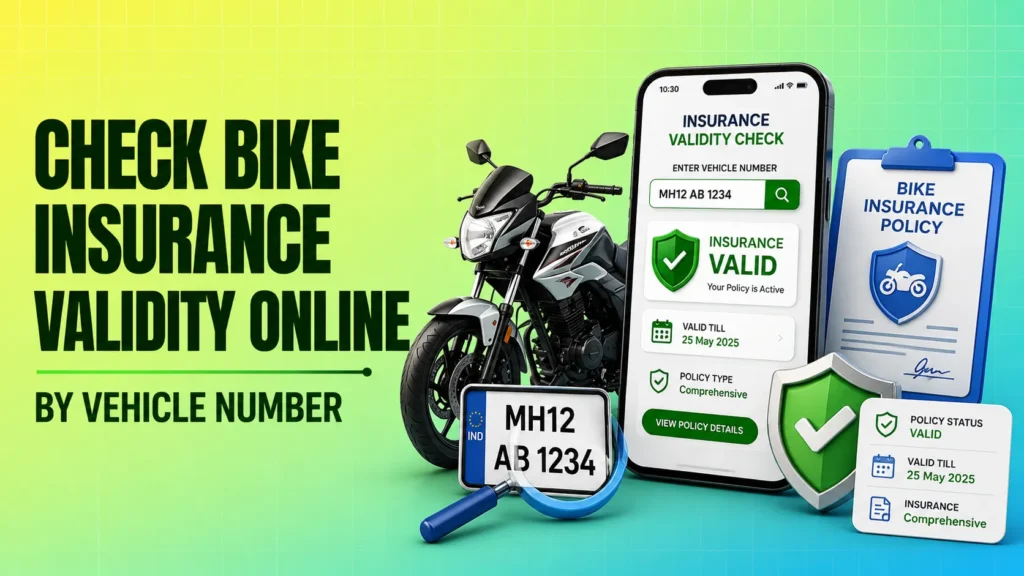
How to Check Vehicle Insurance Status Online
You can check your vehicle insurance status through the official VAHAN/Parivahan Know Your Vehicle Details portal.
- Visit the VAHAN/Parivahan Know Your Vehicle Details portal.
- Enter your vehicle registration number.
- Complete the verification process, if prompted.
- View your vehicle details, including the insurance validity (if available).
Checking your vehicle insurance status is useful when:
- You forgot your renewal date.
- You bought a second-hand vehicle.
- You want to confirm your policy update.
- You are planning a long trip.
- You want to avoid a policy lapse.
What to Do If Your Claim Is Rejected
If your vehicle insurance claim is rejected, do not panic. First, ask for the rejection reason in writing.
Common reasons include:
- Policy expired before accident
- Wrong information in policy
- Driving without valid licence
- Drunk driving or illegal use
- Delay in claim intimation
- Repair started before inspection
- Damage not covered under policy
- Commercial use under private vehicle policy
- Missing documents
If you disagree with the rejection, follow this order:
- Contact insurer customer support.
- Escalate to insurer grievance officer.
- File complaint on IRDAI Bima Bharosa portal if unresolved.
- Approach Insurance Ombudsman if eligible.
Keep all documents, photos, repair estimates, FIR if applicable, surveyor communication and claim rejection letter safely.
Also read: top health insurance companies in India
Final Conclusion
The best vehicle insurance company in India in 2026 is not simply the company with the lowest premium or biggest advertisement. The right insurer is the one that fits your vehicle, city, budget, driving use and claim needs.
For most Indian users, comprehensive vehicle insurance with the right IDV, useful add-ons and strong cashless garage support is a better choice than buying only the cheapest policy. But if your vehicle is old or low-value, a simple policy may be enough.
Before buying, compare at least 3 insurers, check the garage network near you, read exclusions, verify add-ons and keep your policy active. That is the practical way to choose the best vehicle insurance company in India without overpaying or underinsuring your vehicle.