Saving money on a low income can feel difficult, especially when most of your salary disappears into rent, groceries, transport, EMI payments, electricity bills, and daily expenses. Many people believe saving is only possible with a high salary, but in reality, financial stability often starts with small and consistent habits rather than a large income.
The truth is that fast saving does not always mean saving huge amounts of money immediately. For low-income households, it usually means reducing unnecessary expenses, controlling debt, building better financial habits, and creating a small emergency cushion step by step.
Whether you are a student, salaried employee, freelancer, or supporting a family, this guide will help you understand practical ways to save money quickly on a low income without following unrealistic financial advice.
Can You Really Save Money Fast on a Low Income?
Yes, but your expectations should be realistic.
If your monthly income is limited, your first goal should not be becoming rich quickly. Instead, focus on:
- Stopping money leaks
- Reducing unnecessary spending
- Avoiding high-interest debt
- Building small but consistent savings
Even saving ₹50 to ₹200 regularly can make a noticeable difference over time.
Many middle-income and low-income families improve their finances not through sudden income increases, but through disciplined budgeting and smarter spending decisions.
What “Fast Saving” Actually Means
For someone earning ₹15,000–₹30,000 monthly, fast saving may look like:
- Saving your first ₹1,000 emergency fund
- Paying off one credit card bill
- Cutting food delivery expenses
- Reducing UPI impulse purchases
- Avoiding late payment charges
These small financial wins create momentum and reduce financial stress.
Why Small Savings Matter More Than Most People Think
Small savings may seem unimportant at first, but daily habits can create surprisingly large yearly savings.
For example:
| Daily Saving | Monthly Saving | Yearly Saving |
|---|---|---|
| ₹50 | ₹1,500 | ₹18,000 |
| ₹100 | ₹3,000 | ₹36,000 |
| ₹200 | ₹6,000 | ₹72,000 |
This is why tracking small spending habits is extremely important.
Many people ignore:
- Tea and coffee purchases
- Food delivery charges
- Extra mobile recharges
- Online shopping
- Small UPI payments
But these expenses often become major financial leaks over time.
Step 1: Understand Exactly Where Your Money Goes
Before saving money, you need complete clarity about your spending.
Most people underestimate how much they spend every month because they only focus on large expenses while ignoring small daily transactions.
List Your Monthly Income and Fixed Expenses
Start by writing down:
- Salary
- Freelance income
- Side income
- Rental income (if any)
Then list your fixed monthly expenses such as:
- Rent
- EMI payments
- Electricity bills
- School fees
- Mobile recharge
- Insurance premiums
- Internet bills
- Transportation costs
Simple Monthly Budget Example
| Income | Expenses | Remaining Savings Potential |
|---|---|---|
| ₹20,000 | Rent: ₹7,000 | ₹2,000 |
| Groceries: ₹5,000 | ||
| EMI: ₹4,000 | ||
| Transport: ₹2,000 |
Track Small Expenses for 7 Days
For one week, monitor every small transaction carefully.
This includes:
- Snacks
- Tea or coffee
- Delivery charges
- Auto rides
- Online subscriptions
- Impulse shopping
Many people discover they are spending thousands every month on things they barely notice.
Quick Self-Check Question:
“What unnecessary thing did I spend money on in the last 7 days?”
This simple question improves financial awareness quickly.
Step 2: Use a Simple Budget That Works on a Low Income
Complicated budgeting systems often fail because they are difficult to maintain consistently.
Low-income households usually benefit more from flexible and realistic budgeting methods.
Try the 60/30/10 Budget Rule
The popular 50/30/20 rule may not always work for people with lower incomes because essential expenses already consume a large portion of earnings.
A more practical alternative is:
- 60% for needs
- 30% for flexible/lifestyle expenses
- 10% for savings
This system is easier for beginners and creates a more realistic saving structure.
If 10% Saving Feels Impossible
Do not wait for a higher salary to begin saving.
Start small:
- ₹100
- ₹200
- ₹500
The amount matters less than consistency.
People who build regular saving habits usually improve financially faster than those who delay saving completely.
Treat Savings Like a Monthly Bill
One effective strategy is to save immediately after receiving income.
For example:
- Transfer money into a separate savings account
- Start a recurring deposit (RD)
- Use automatic bank transfers
When savings happen first, overspending becomes less likely.
Step 3: Cut Expenses That Deliver Quick Results
Reducing expenses does not always require major sacrifices. Often, small adjustments create immediate savings.
Reduce Food and Grocery Costs
Food expenses are one of the easiest areas to optimize.
Practical Grocery Saving Tips:
- Prepare weekly meal plans
- Buy essentials in bulk
- Compare prices before shopping
- Reduce food delivery frequency
- Carry homemade snacks or lunch
Many households save several thousand rupees monthly simply by reducing restaurant and delivery spending.
Cancel Unused Subscriptions
Check whether you are paying for:
- OTT platforms
- Gym memberships
- Cloud storage
- Mobile apps
- Premium services you rarely use
Recurring subscriptions quietly drain money every month.
Review them every 2–3 months.
Save Money on Transportation
Transportation costs increase quickly due to fuel prices and daily commuting.
Smart Ways to Reduce Transport Costs:
- Use public transport
- Walk short distances
- Use monthly travel passes
- Share rides with coworkers
- Plan routes efficiently
Even moderate reductions in transport expenses can create noticeable savings over time.
Lower Your Utility Bills
Utility savings may seem small individually, but together they matter.
You can reduce:
- Electricity usage
- Water wastage
- Mobile data overuse
- Gas consumption
Simple Utility Saving Habits:
- Switch off unused appliances
- Use LED bulbs
- Avoid unnecessary AC usage
- Compare internet plans regularly
Step 4: Control Debt Before It Destroys Your Savings
One of the biggest financial problems for low-income earners is high-interest debt.
Credit cards, Buy Now Pay Later (BNPL) apps, and personal loans can quickly damage financial stability if not managed carefully.
Pay High-Interest Debt First
Focus on clearing:
- Credit card debt
- Personal loans
- BNPL apps
- Other short-term loans
High-interest debt grows faster than most savings accounts.
Reducing these payments improves cash flow immediately.
Avoid New Debt for Lifestyle Spending
Many people fall into debt traps because of:
- Flash sales
- Easy EMI offers
- Online shopping
- Impulse purchases
Avoid borrowing money for non-essential items whenever possible.
Step 5: Build a Small Emergency Fund First
Unexpected expenses can destroy a monthly budget very quickly.
Common emergencies include:
- Medical bills
- Job delays
- Phone repairs
- Vehicle repairs
- Family emergencies
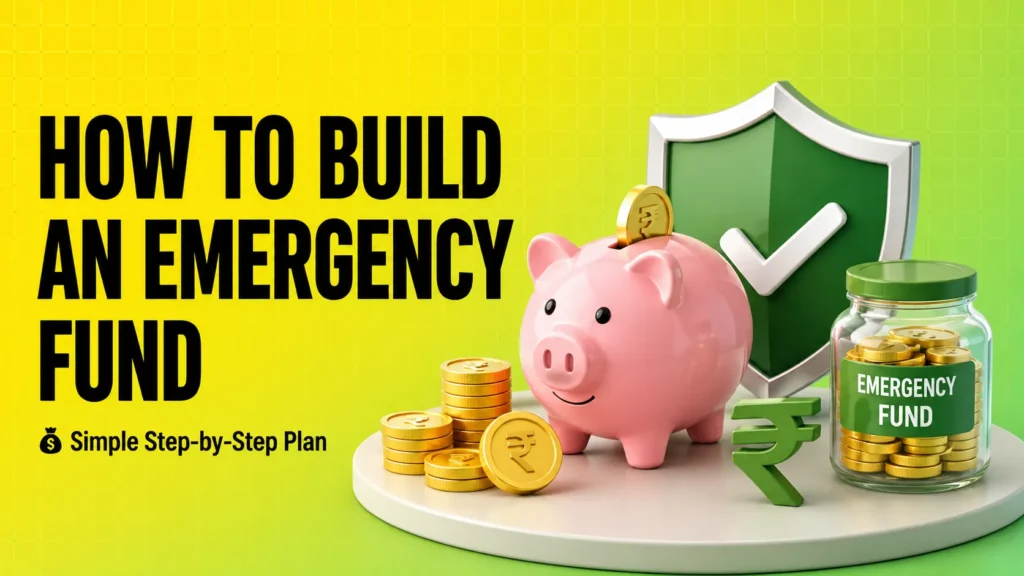
This is why an emergency fund is essential even for low-income households.
Start With a ₹1,000 Emergency Fund
Your first goal should be simple:
- ₹1,000
- Then ₹5,000
- Then one month of essential expenses
Small milestones feel achievable and help build confidence.
Financial experts often recommend eventually building 3–6 months of emergency savings, but starting small is completely fine.
Where Should You Keep Emergency Money?
Emergency savings should remain:
- Safe
- Easy to access
- Separate from daily spending money
Good options include:
- Savings account
- Separate bank account
- Recurring deposit
- Liquid savings options
Avoid risky investments for emergency funds.
Step 6: Automate Savings and Bill Payments
Automation reduces financial mistakes and improves consistency.
Set Automatic Transfers
As soon as salary arrives:
- Automatically transfer a fixed amount into savings
Even small automatic transfers improve discipline significantly.
Use Payment Reminders
Late fees on:
- Credit cards
- Electricity bills
- EMI payments
- Mobile bills
can waste money unnecessarily.
Use:
- Calendar reminders
- Banking apps
- Auto-pay systems
to avoid penalties.
Step 7: Increase Income Wherever Possible
Cutting expenses helps, but increasing income can speed up savings even more.
Even small side income sources can improve financial flexibility.
Simple Side Income Ideas
You may consider:
- Freelancing
- Tutoring
- Selling unused items
- Weekend work
- Referral programs
- Online skills
Many people use side income specifically for:
- Debt repayment
- Emergency savings
- Investments
This prevents lifestyle inflation.
Best 30-Day Plan to Save Money Fast on a Low Income
Week 1: Track and Cut Spending Leaks
- Monitor all expenses
- Reduce food delivery
- Cancel unused subscriptions
Week 2: Create a Budget and Separate Savings
- Follow the 60/30/10 method
- Open a separate savings account
- Start automatic transfers
Week 3: Reduce Debt Pressure
- List all loans
- Focus on high-interest debt first
- Avoid unnecessary borrowing
Week 4: Build an Emergency Fund
- Save your first ₹1,000–₹5,000
- Keep emergency money separate
Common Mistakes to Avoid While Saving on a Low Income
Trying to Save Too Much Too Early
Unrealistic goals often fail quickly.
Small consistent savings are more sustainable.
Ignoring Small UPI Expenses
Tiny daily transactions can become major monthly losses.
Saving While Credit Card Debt Keeps Growing
High-interest debt often cancels out savings growth.
Using Emergency Funds for Shopping
Emergency money should only be used for genuine emergencies.
Practical Financial Habits That Help Long-Term
People who successfully save on low incomes usually:
- Track expenses regularly
- Avoid unnecessary debt
- Plan purchases carefully
- Save before spending
- Review budgets monthly
Financial improvement is usually the result of consistent habits rather than one big change.
Final Verdict
Saving money fast on a low income is absolutely possible when you focus on practical financial habits instead of unrealistic shortcuts.
You do not need a perfect salary to improve your finances. Even small savings, controlled spending, reduced debt, and a simple emergency fund can create long-term financial stability.
The key is consistency.
Start with small steps, track your spending honestly, avoid unnecessary debt, and slowly build financial security over time.
FAQs
How can I save money fast on a low income?
Track your expenses, reduce unnecessary spending, avoid high-interest debt, automate savings, and build a small emergency fund consistently.
How much should I save if my income is low?
Start with any realistic amount. Even ₹100–₹500 monthly savings are better than delaying saving completely.
Is the 50/30/20 rule realistic for low incomes?
Not always. Many low-income households find the 60/30/10 budgeting method more practical.
What is the fastest way to reduce monthly expenses?
Reducing food delivery, cancelling unused subscriptions, controlling impulse purchases, and using public transport can quickly lower expenses.
Should I save money first or pay debt first?
Build a small emergency fund first, then focus on reducing high-interest debt while continuing small regular savings.
Can low-income earners build an emergency fund?
Yes. Start small with ₹1,000, then gradually increase savings over time.
What should I avoid while trying to save money?
Avoid impulse shopping, unnecessary debt, unused subscriptions, late payment fees, and unrealistic saving goals.