Managing personal finance is no longer optional in today’s fast-moving digital world. With rising expenses, easy online shopping, subscription services, and instant payment systems, controlling money has become more important than ever. A personal budget is the foundation of financial stability because it helps you understand your income, control your spending, and build long-term savings.
This guide explains practical personal budget tips that are easy to follow, even if you are just starting your financial journey.
What is a Personal Budget?

A personal budget is a simple financial plan that tracks your income and expenses over a specific period, usually monthly. It shows how much money comes in and how much goes out.
A budget typically includes three main parts:
Income (salary, business income, freelancing earnings)
Expenses (rent, food, transport, bills, entertainment)
Savings (emergency fund, investments, future goals)
When you manage these three areas properly, you gain control over your financial life instead of living paycheck to paycheck.
Why Personal Budgeting is More Important in 2026
In 2026, financial habits have changed significantly. People rely more on digital payments like UPI, credit cards, and online shopping platforms. These tools make spending faster but also less noticeable.
Without a budget, it becomes very easy to overspend without realizing it. A proper budget helps you stay financially disciplined and prepares you for unexpected situations like medical emergencies, job changes, or economic uncertainty.
Budgeting is not about restricting your life—it is about creating financial freedom and reducing stress.
Common Income vs Expense Structure
To understand budgeting better, here is a simple example table:
| Category | Example Items | Recommended Share |
|---|---|---|
| Income | Salary, Freelance, Business | 100% |
| Needs | Rent, Food, Bills, Transport | 50% |
| Wants | Shopping, Entertainment, Dining | 30% |
| Savings | SIP, FD, Emergency Fund | 20% |
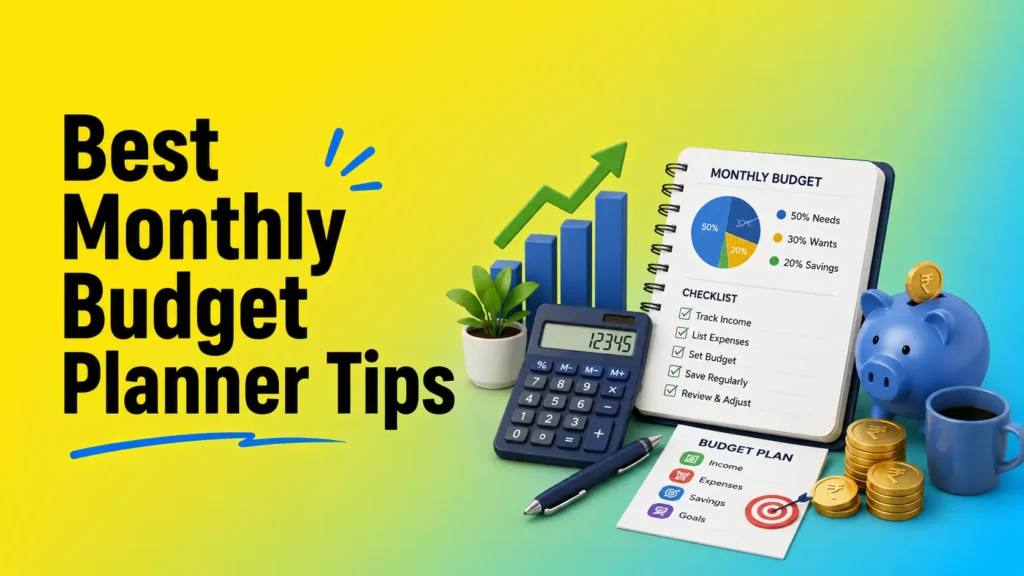
This structure is known as the 50/30/20 rule, and it is one of the simplest ways to manage money effectively.
1. Understand Your Monthly Cash Flow
The first step in budgeting is understanding your cash flow. Cash flow simply means how money moves in and out of your account.
Many people ignore small expenses like snacks, online subscriptions, or transport costs. Over time, these small expenses become a large financial burden.
Start by recording every expense for at least one month. This will give you a clear picture of your financial habits.
2. Build a Realistic Monthly Budget Plan
Once you understand your spending pattern, the next step is creating a realistic budget. A common mistake people make is setting unrealistic savings goals.
Your budget should match your lifestyle and income level. If your income increases, your savings should also increase proportionally.
A realistic budget helps you stay consistent without feeling financial pressure.
3. Create an Emergency Fund for Financial Security
An emergency fund is one of the most important parts of financial planning. It acts as a safety net during unexpected situations such as medical emergencies, job loss, or urgent repairs.
Financial experts recommend saving at least 3 to 6 months of expenses in an emergency fund.
This money should be kept separate from your regular spending account so you don’t use it for unnecessary purchases.
4. Control Debt and Credit Usage
Credit cards and loans can be helpful when used wisely, but they can also lead to financial stress if mismanaged.
The key rule is simple: never spend money you cannot repay comfortably.
Pay your credit card bills on time and avoid unnecessary EMIs. Good debt helps you grow (education, business), but bad debt can reduce your financial stability.
5. Use Automation to Improve Savings
In modern financial systems, automation plays a big role in saving money.
Instead of manually saving what is left at the end of the month, set up automatic transfers to your savings or investment accounts.
This ensures that saving becomes a habit rather than a decision. It reduces the chances of overspending.
6. Reduce Unnecessary Lifestyle Expenses
One of the biggest reasons people fail to save money is lifestyle inflation. As income increases, expenses also increase automatically.
To control this, identify unnecessary expenses such as:
Unused subscriptions
Frequent online shopping
Excess food delivery
Impulse buying
Even small reductions in these areas can significantly improve your savings over time.
7. Monthly Budget Review and Adjustment
A budget is not a fixed document. It should evolve based on your financial situation.
Every month, take time to analyze:
How much you earned
How much you spent
How much you saved
Where you overspent
This helps you improve your financial discipline and adjust your budget for better results in the future.
8. Start Investing Early for Wealth Growth
Saving money alone is not enough to build long-term wealth. You need to invest your savings wisely.
Common beginner-friendly investment options include:
Mutual funds
Systematic Investment Plans (SIP)
Fixed deposits
Index funds
Investing early helps you take advantage of compounding, where your money grows over time.
Common Budgeting Mistakes People Make

Many people struggle with budgeting because of simple but repeated mistakes. Some of the most common ones include:
Not tracking daily expenses
Ignoring small purchases
No emergency fund planning
Overspending on lifestyle upgrades
Delaying investments
Avoiding these mistakes can significantly improve your financial health.
How Budgeting Improves Financial Life
A good budget gives you control, confidence, and clarity. It reduces financial stress and helps you make better decisions.
When you follow a proper budget, you can:
Save consistently
Avoid unnecessary debt
Achieve financial goals faster
Build long-term wealth
Live a stress-free financial life
Budgeting is not a one-time task—it is a lifelong habit.
Final Thoughts
Personal budgeting is one of the most powerful financial habits you can develop. It does not matter how much you earn; what matters is how well you manage your money.
In 2026, with rising digital spending and fast financial systems, budgeting is more important than ever. Start small, stay consistent, and improve step by step. Over time, even small savings can turn into significant financial growth.