Table of Contents
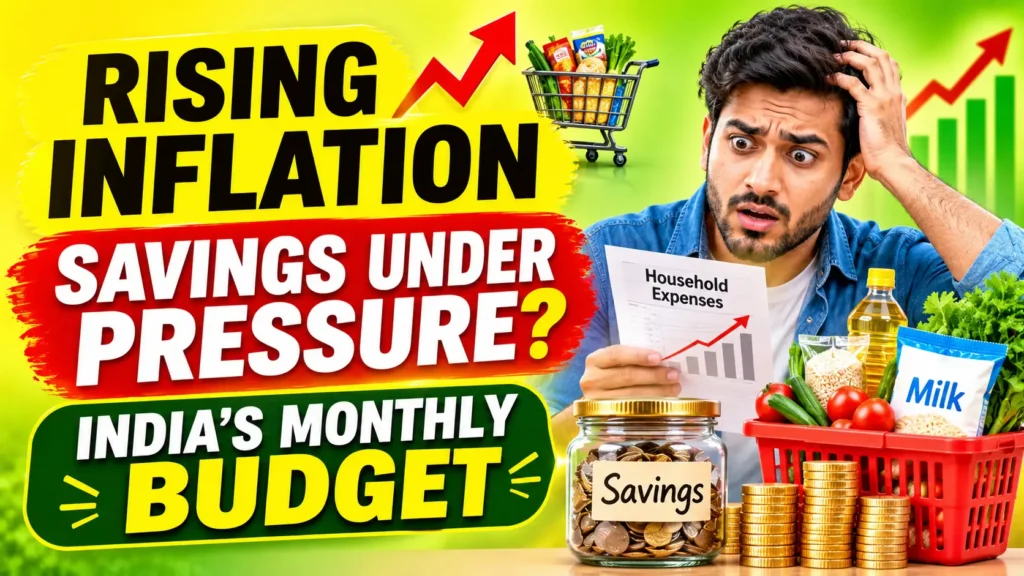
Rising inflation is becoming a growing concern for households across India as the prices of essential goods and services continue to increase. From groceries and electricity bills to transportation and daily necessities, higher costs can put pressure on monthly budgets and reduce household savings.
India’s Wholesale Price Index (WPI) inflation rose to 12.29% in October 2026, compared with 11.39% in September, highlighting the impact of rising fuel, power and production costs. These increasing prices make budgeting, saving money and managing everyday expenses more challenging for families.
Why Is Inflation Increasing in India?
Inflation refers to the general rise in the prices of goods and services over time. When prices increase, consumers need to spend more money to purchase the same products and maintain their usual lifestyle.
The October 2026 wholesale inflation figures show that fuel and power prices played a significant role in the increase. Fuel and power inflation rose from 25.85% in September to 32.84% in October. Meanwhile, primary articles inflation increased from 8.67% to 9.24%.
Wholesale food inflation offered some relief, declining slightly from 8.66% to 8.58%. However, the overall increase in wholesale inflation suggests that businesses may continue facing higher input and operating costs.
Several factors can contribute to rising inflation, including:
Higher crude oil and fuel prices.
Increased transportation and manufacturing expenses.
Rising costs of raw materials.
Changes in demand and supply.
International market fluctuations.
When businesses face higher production costs, some of these additional expenses may eventually be reflected in the prices paid by consumers.
How Rising Inflation Affects Household Budgets
A household budget is usually planned around regular income and expected monthly expenses. However, when the prices of essential goods increase, families may need to spend more than they originally planned. Households relying on one salary can also explore practical ways to manage household expenses on a single income while balancing essential spending and savings.
For example, an increase in fuel prices can affect transportation costs, delivery charges and the prices of goods transported over long distances. Similarly, higher electricity and manufacturing expenses can influence the cost of household products and services.
Some common areas where families may notice the impact include:
1. Grocery and Household Expenses
Even a small increase in the prices of regularly purchased products can affect the monthly grocery budget. Families may need to adjust their spending when essential items become more expensive.
2. Electricity and Transportation Bills
Higher energy costs can increase household electricity expenses and indirectly influence transportation charges. This can put additional pressure on families that already have fixed monthly commitments.
3. Education and Healthcare Expenses
Education, medical services and other essential requirements can take up a significant portion of household income. When these expenses rise alongside general inflation, managing the overall budget becomes more challenging.
4. Reduced Spending Flexibility
Families may have less money available for entertainment, shopping, travel and other optional expenses after paying for essential requirements.
Also Read: Best Monthly Budget Planner Tips to Save More Money Every Month
Impact of Inflation on Household Savings
One of the major financial challenges associated with inflation is its effect on savings. When monthly expenses increase but income remains unchanged, people may find it difficult to save the same amount of money as before.
For example, consider a household earning ₹50,000 per month. If its regular monthly expenses increase from ₹35,000 to ₹39,000, the amount available for savings decreases from ₹15,000 to ₹11,000.
This simple example shows how rising expenses can reduce monthly savings even when income remains the same.
Inflation can also reduce the purchasing power of money over time. This means that the same amount of savings may not be sufficient to purchase the same quantity of goods and services in the future.
For this reason, individuals should consider inflation while setting financial goals, planning emergency savings and choosing long-term savings options. Understanding how to build an emergency fund can also help families prepare for unexpected expenses without depending entirely on borrowing.
Also Read: What Is a Sinking Fund? Meaning, Examples and How to Create One
Difference Between Wholesale and Retail Inflation
Understanding the difference between wholesale and retail inflation is important when evaluating how rising prices affect the economy and ordinary consumers.
Wholesale inflation, measured through the Wholesale Price Index (WPI), tracks price changes at the wholesale level. It mainly reflects the prices of goods traded between businesses.
Retail inflation, measured through the Consumer Price Index (CPI), tracks changes in the prices consumers pay for goods and services.
According to the October 2026 figures, retail inflation increased to 6.09%, compared with 5.54% in September. This was above the RBI’s upper tolerance limit of 6%.
However, wholesale and retail inflation do not always move at the same rate. Changes in wholesale prices may take time to affect retail prices, and the final impact depends on factors such as demand, supply, taxes and business costs.
Practical Ways to Manage Monthly Expenses During Inflation
Although individuals cannot control market prices, they can make adjustments to their financial habits to manage increasing expenses.
Here are some practical steps that households can consider:
1. Review Your Monthly Budget
Track regular expenses and identify areas where spending has increased. Reviewing a budget every month can help families understand where their money is going. A simple budgeting method, such as the 50/30/20 budget rule, can also help organise income between essential expenses, personal spending and savings.
2. Prioritise Essential Expenses
Give priority to groceries, utility bills, education, healthcare and necessary transportation. Plan optional purchases according to the money available after essential expenses.
3. Maintain Emergency Savings
An emergency fund can help manage unexpected expenses without depending entirely on loans or credit cards. Build this fund gradually according to your income and financial responsibilities.
4. Avoid Unnecessary Borrowing
Before taking a personal loan or using credit for non-essential purchases, consider the repayment amount, interest rate and overall financial impact. You can use a Personal Loan EMI Calculator to estimate monthly repayments and check whether an additional EMI fits comfortably within your household budget.
5. Review Savings and Financial Goals
If regular expenses increase, review your savings plan and financial goals. Even small, consistent savings can help maintain financial discipline over time.
6. Compare Prices Before Purchasing
Comparing prices, checking available offers and planning grocery purchases can help households make better spending decisions.
Also Read: How to Save Money Fast on a Low Income: Simple and Effective Tips
Conclusion
Rising inflation in India can affect more than just the prices of everyday products. It can influence household budgets, reduce monthly savings and make long-term financial planning more challenging. The October 2026 wholesale inflation figures highlight the importance of monitoring changes in fuel, power and other essential categories.
While market conditions are beyond individual control, careful budgeting, emergency savings and responsible spending decisions can help households manage financial pressure. Understanding inflation and its impact on purchasing power is an important step towards maintaining financial stability.