Managing your money wisely is one of the most valuable life skills you can develop. Whether you’re a student, salaried employee, freelancer, or business owner, a well-planned monthly budget helps you take control of your finances, avoid unnecessary debt, and consistently grow your savings.
Many people believe budgeting means giving up everything they enjoy. In reality, budgeting is about spending intentionally. It allows you to prioritize what matters most while avoiding wasteful expenses.
In 2026, budgeting has become easier than ever thanks to digital banking, expense-tracking apps, AI-powered financial tools, and automated savings features. However, the foundation of successful budgeting remains the same: know your income, understand your expenses, and follow a realistic plan.
This guide explains practical, proven monthly budget planner tips that can help you build better financial habits and save more money every month.
Table of Contents
- What Is a Monthly Budget Planner?
- Why Monthly Budget Planning Matters
- Benefits of Using a Budget Planner
- How to Create a Monthly Budget
- Track Your Income and Expenses
- Fixed vs Variable Expenses
- Budgeting Rules That Actually Work
- Smart Savings Strategies
- Budgeting Tips for Different Lifestyles
What Is a Monthly Budget Planner?
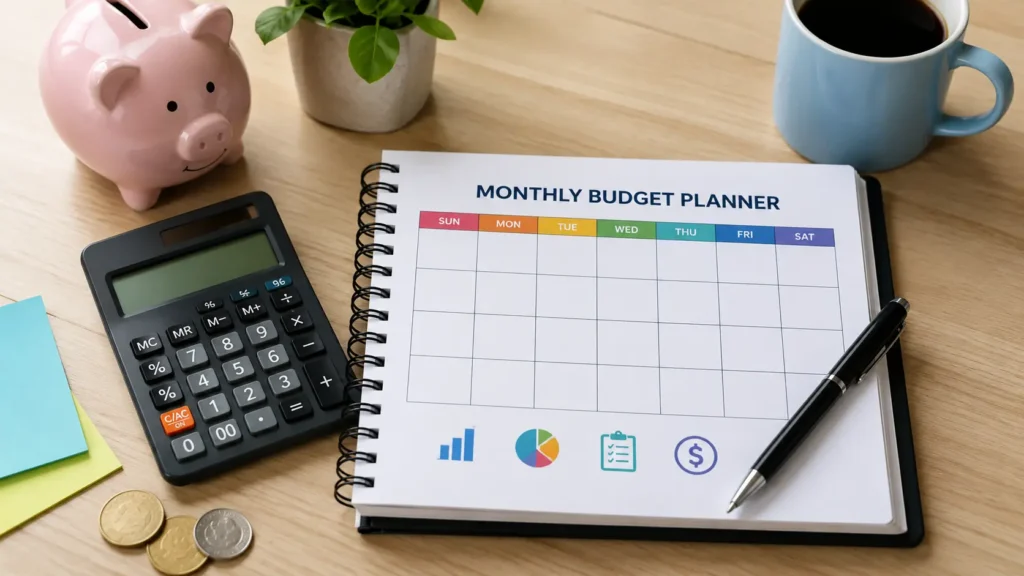
A monthly budget planner is a financial planning tool used to organize your monthly income, expenses, savings, investments, and financial goals.
It gives you a clear picture of where your money comes from and where it goes.
A budget planner can be:
- A notebook
- An Excel spreadsheet
- Google Sheets
- Printable planner
- Mobile budgeting app
- AI-powered finance tool
Regardless of the format, the goal is the same—help you make informed financial decisions.
Featured Snippet
A monthly budget planner is a simple financial tool that helps you track income, control expenses, build savings, and achieve financial goals. By reviewing your budget every month, you can reduce unnecessary spending, avoid debt, and improve your overall financial health.
Why Monthly Budget Planning Is Important
Without a budget, it’s easy to lose track of spending. Small daily purchases may seem harmless, but over time they can significantly impact your savings.
A monthly budget helps you:
- Understand spending habits
- Reduce financial stress
- Plan for emergencies
- Build long-term wealth
- Avoid unnecessary debt
- Achieve financial goals faster
Budgeting gives every dollar a purpose instead of wondering where your money went at the end of the month.
Benefits of Using a Monthly Budget Planner
1. Better Financial Awareness
Tracking your finances helps you understand exactly how much money you earn and spend.
When you know your numbers, making financial decisions becomes easier.
2. Increased Savings
Budgeting encourages saving before spending.
Even setting aside a small amount every month can grow into a substantial emergency fund over time.
3. Reduced Financial Stress
Unexpected bills become less stressful when you’ve planned for them.
A proper budget prepares you for emergencies instead of forcing you to rely on credit cards or loans.
4. Faster Financial Goals
Whether you’re planning to buy a home, travel abroad, purchase a car, or retire comfortably, budgeting helps you reach those goals sooner.
5. Better Spending Decisions
A budget helps distinguish between essential needs and optional wants, reducing impulse purchases.
Step-by-Step Guide to Creating a Monthly Budget
Step 1: Calculate Your Monthly Income
Start by listing every income source.
Examples include:
- Salary
- Freelancing
- Business income
- Rental income
- Investment returns
- Side hustle earnings
- Bonuses
Always use your average monthly income if it changes from month to month.
Step 2: List Every Monthly Expense
Write down every expense, no matter how small.
Common expenses include:
Fixed Expenses
- House rent
- Mortgage
- Internet
- Insurance
- Loan payments
- School fees
- Subscriptions
These usually remain the same every month.
Variable Expenses
- Groceries
- Fuel
- Dining out
- Entertainment
- Shopping
- Travel
- Gifts
These can change every month and offer the best opportunities to save money.
Step 3: Categorize Your Spending
Organize expenses into categories such as:
| Category | Examples |
|---|---|
| Housing | Rent, Maintenance |
| Utilities | Electricity, Water, Internet |
| Transportation | Fuel, Public Transport |
| Food | Grocery, Restaurants |
| Insurance | Health, Life, Vehicle |
| Savings | Emergency Fund, Investments |
| Entertainment | Movies, Games, Streaming |
Categorizing expenses helps identify where you can reduce spending.
Step 4: Compare Income vs Expenses
If your monthly expenses exceed your income, adjustments are necessary.
Focus on:
- Reducing unnecessary subscriptions
- Limiting dining out
- Buying only planned items
- Avoiding impulse shopping
The goal is to create a positive monthly cash flow.
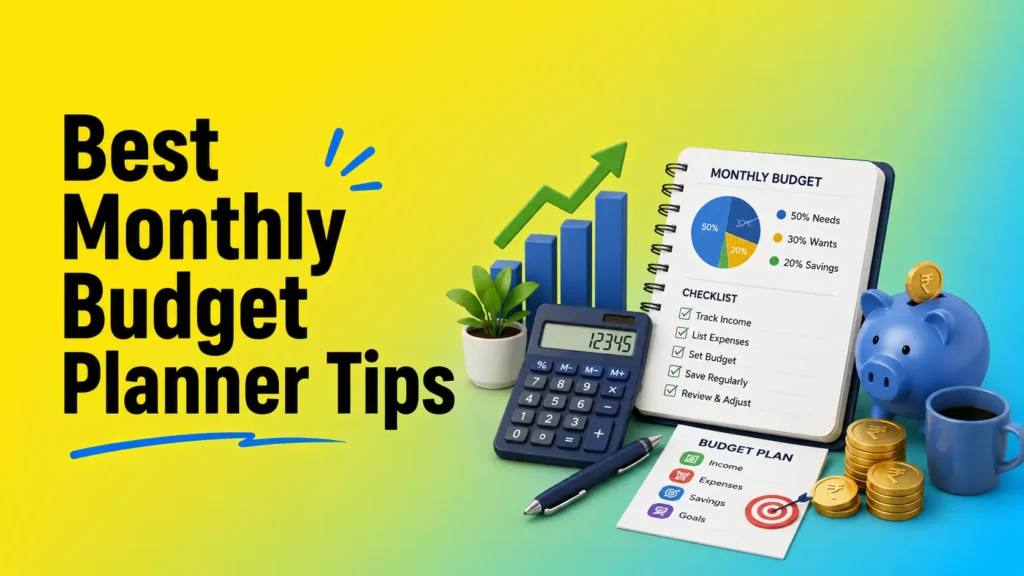
The 50/30/20 Budget Rule
One of the easiest budgeting methods is the 50/30/20 Rule.
- 50% for essential needs (housing, food, utilities, transport)
- 30% for lifestyle and personal wants
- 20% for savings, investing, and debt repayment
This rule provides a balanced approach that works well for many households. If you’re focused on building savings quickly, you can adjust the percentages to save more and spend less on discretionary expenses.
Pay Yourself First
A common budgeting mistake is saving whatever money is left at the end of the month. In most cases, very little remains.
Instead, transfer a fixed amount to your savings account immediately after receiving your income.
Treat your savings like a mandatory monthly bill.
This simple habit builds consistency and helps grow your financial security over time.
Set SMART Financial Goals
Your financial goals should be:
- Specific: Save ₹1,00,000 for an emergency fund.
- Measurable: Save ₹8,500 every month.
- Achievable: Choose an amount that fits your income.
- Relevant: Match your priorities.
- Time-bound: Reach the goal within 12 months.
Clear goals make it easier to stay motivated and track progress.
Build an Emergency Fund
Unexpected situations—such as medical expenses, job loss, or urgent home repairs—can disrupt your finances.
Aim to build an emergency fund that covers three to six months of essential living expenses.
Start small if necessary. Even consistent monthly contributions can create a strong financial safety net over time.
Budgeting Tips for Different Lifestyles
For Students
- Track daily expenses.
- Avoid unnecessary online purchases.
- Use student discounts whenever available.
- Save a portion of any allowance or part-time income.
For Salaried Employees
- Automate savings on payday.
- Review recurring subscriptions every few months.
- Allocate bonuses toward savings or debt repayment instead of lifestyle inflation.
For Freelancers
- Base your budget on your average monthly income rather than your highest-earning month.
- Keep a separate emergency fund for months with lower income.
- Set aside money for taxes and business expenses as you earn it.
Avoid These Common Budgeting Mistakes

Even the best budget can fail if you make avoidable mistakes. Watch out for these common issues:
- Not tracking small daily purchases
- Setting unrealistic spending limits
- Forgetting annual or irregular expenses
- Ignoring inflation and rising costs
- Depending too heavily on credit cards
- Not reviewing your budget every month
- Failing to set clear savings goals
A successful budget is flexible. Update it whenever your income, expenses, or financial priorities change.
Advanced Budgeting Methods That Actually Work
Once you’ve mastered the basics, you can use these proven budgeting strategies to save more money and gain better control over your finances.
1. Zero-Based Budgeting
Zero-Based Budgeting means every rupee or dollar of your income is assigned a purpose. By the end of the month:
Income − Expenses − Savings − Investments = Zero
This doesn’t mean your bank balance is zero—it means every amount has been planned in advance.
Best For:
- Families
- People reducing debt
- Those with fixed monthly income
Benefits
- Eliminates unnecessary spending
- Gives complete control over money
- Improves financial discipline
2. Envelope Budgeting Method
This traditional budgeting method still works well today.
Divide your monthly cash into categories such as:
- Groceries
- Fuel
- Entertainment
- Dining Out
- Shopping
Once an envelope is empty, stop spending in that category until next month.
Best For:
People who overspend using credit or debit cards.
3. Pay Yourself First Strategy
Instead of saving what’s left after spending, reverse the process.
Example:
Monthly Income: ₹60,000
- Savings: ₹12,000
- Investments: ₹5,000
- Bills
- Daily Expenses
Savings become your first priority—not your last.
Sample Monthly Budget Planner
| Category | Budget | Actual | Difference |
|---|---|---|---|
| Income | ₹60,000 | ₹60,000 | ₹0 |
| Housing | ₹15,000 | ₹15,000 | ₹0 |
| Utilities | ₹4,000 | ₹3,700 | +₹300 |
| Groceries | ₹7,000 | ₹6,500 | +₹500 |
| Transportation | ₹3,500 | ₹3,200 | +₹300 |
| Insurance | ₹2,500 | ₹2,500 | ₹0 |
| Entertainment | ₹3,000 | ₹2,100 | +₹900 |
| Savings | ₹12,000 | ₹12,000 | ₹0 |
| Investments | ₹5,000 | ₹5,000 | ₹0 |
| Miscellaneous | ₹8,000 | ₹7,200 | +₹800 |
This format makes it easy to compare your planned budget with your actual spending each month.
Budgeting Tips for Families
Family budgeting requires teamwork.
Some helpful practices include:
- Plan weekly grocery shopping.
- Cook more meals at home.
- Review household bills every month.
- Set family savings goals.
- Teach children basic money management.
Even small household savings can add up significantly over a year.
Budgeting Tips for Freelancers
Freelancers often experience irregular income.
To manage finances effectively:
- Budget using your average monthly income.
- Keep business and personal finances separate.
- Save extra during high-income months.
- Maintain a larger emergency fund.
- Reserve money for taxes before spending.
Budgeting Tips for Students
Students can start building strong financial habits early.
Simple ideas include:
- Track every expense.
- Use student discounts.
- Buy second-hand books when possible.
- Avoid impulse purchases.
- Save part of any allowance or part-time income.
Learning to budget now creates lifelong financial discipline.
Smart Money-Saving Tips
Saving money doesn’t always require major lifestyle changes.
Try these practical ideas:
- Follow a shopping list.
- Compare prices before buying.
- Wait 24 hours before making expensive purchases.
- Cancel subscriptions you no longer use.
- Use cashback and reward programs.
- Buy quality products that last longer.
- Reduce food waste by meal planning.
- Review utility bills regularly.
- Set automatic transfers to your savings account.
Small improvements, repeated consistently, often have the biggest long-term impact.
Use Technology to Simplify Budgeting
Modern financial tools can make budgeting faster and more accurate.
Useful options include:
- Google Sheets
- Microsoft Excel
- Printable budget planners
- Mobile budgeting apps
- AI-powered expense trackers
- Bank apps with spending insights
Choose the tool you’ll use consistently—consistency matters more than complexity.
Monthly Budget Checklist
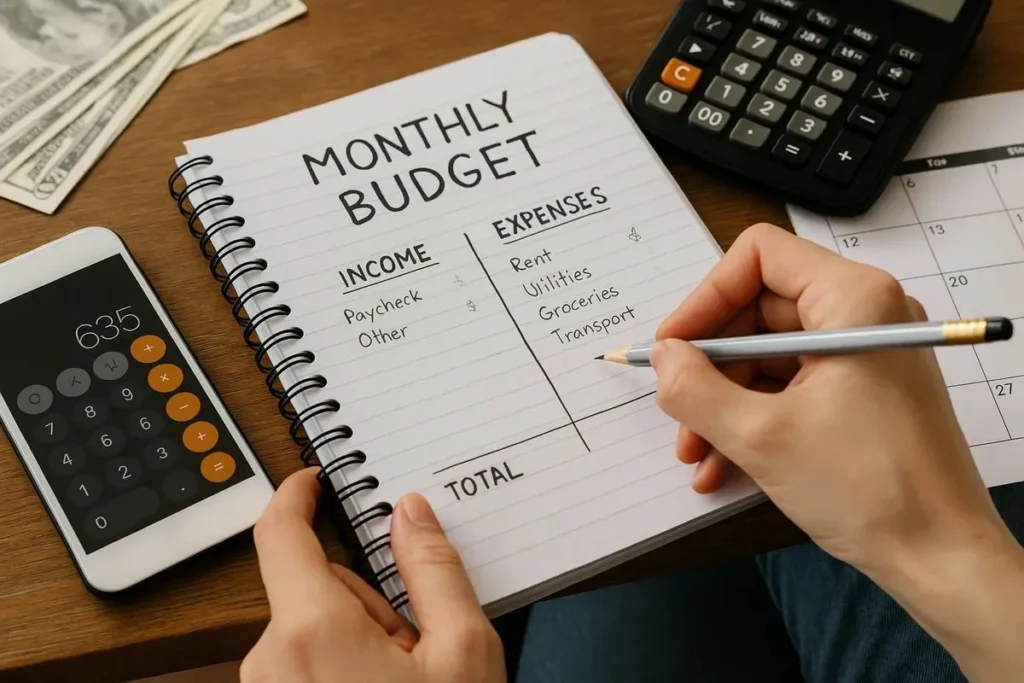
Before each month begins, make sure you’ve completed these tasks:
- Estimate your total income.
- List all fixed expenses.
- Estimate variable expenses.
- Set a savings target.
- Plan investment contributions.
- Review upcoming bills.
- Include emergency expenses.
- Track spending weekly.
- Compare budget vs. actual spending.
- Adjust next month’s plan based on results.
Common Budgeting Mistakes and Solutions
| Mistake | Solution |
|---|---|
| Not tracking expenses | Record spending daily or weekly. |
| Spending before saving | Automate savings on payday. |
| Ignoring small purchases | Track every transaction. |
| Unrealistic budgets | Create flexible, achievable limits. |
| Not reviewing budgets | Schedule a monthly budget review. |
| Overusing credit cards | Spend only what you can repay in full |
Final Thoughts
A monthly budget planner is more than just a spreadsheet or checklist—it’s a roadmap for achieving financial stability and long-term success. By understanding your income, tracking expenses, setting realistic goals, and reviewing your progress regularly, you can make smarter financial decisions every month.
Remember that budgeting isn’t about restricting your lifestyle. It’s about giving every rupee or dollar a purpose so you can spend confidently, save consistently, and prepare for the future.
The sooner you start budgeting, the sooner you’ll see improvements in your savings, financial confidence, and overall peace of mind.
Whether you’re saving for an emergency fund, paying off debt, or working toward a major life goal, a well-planned budget is one of the most effective tools you can use.