
If you’re searching for how to improve credit score, you’re likely looking for practical ways to strengthen your financial profile and improve your chances of getting approved for loans and credit cards. A good credit score can help you access better interest rates, higher credit limits, and improved borrowing opportunities.
The good news is that improving a credit score is possible with consistent financial habits. While there are no instant solutions, following the right strategies can help you build a stronger credit profile over time.
How to Improve Credit Score Quickly?
The best ways how to improve a credit score are paying bills on time, keeping credit utilization below 30%, reducing outstanding debt, avoiding multiple credit applications, maintaining older credit accounts, and regularly checking credit reports for errors. Consistently following these habits can help improve a credit score over time.
What Is a Credit Score?
A credit score is a numerical representation of your creditworthiness based on your borrowing and repayment history. Lenders use this score to evaluate the risk of lending money to you.
In general, a higher credit score indicates responsible credit behavior and can improve your chances of obtaining loans, credit cards, and favorable interest rates.
| Credit Score Range | Rating |
|---|---|
| 750+ | Excellent |
| 700–749 | Good |
| 650–699 | Fair |
| Below 650 | Needs Improvement |
Why Is a Good Credit Score Important?
A healthy credit score can provide several financial advantages:
- Better chances of loan approval
- Lower interest rates on loans
- Higher credit card limits
- Faster approval processes
- Improved financial credibility
Many lenders view borrowers with higher credit scores as lower-risk applicants, which can improve access to better financial products and borrowing terms.
What Factors Affect a Credit Score?
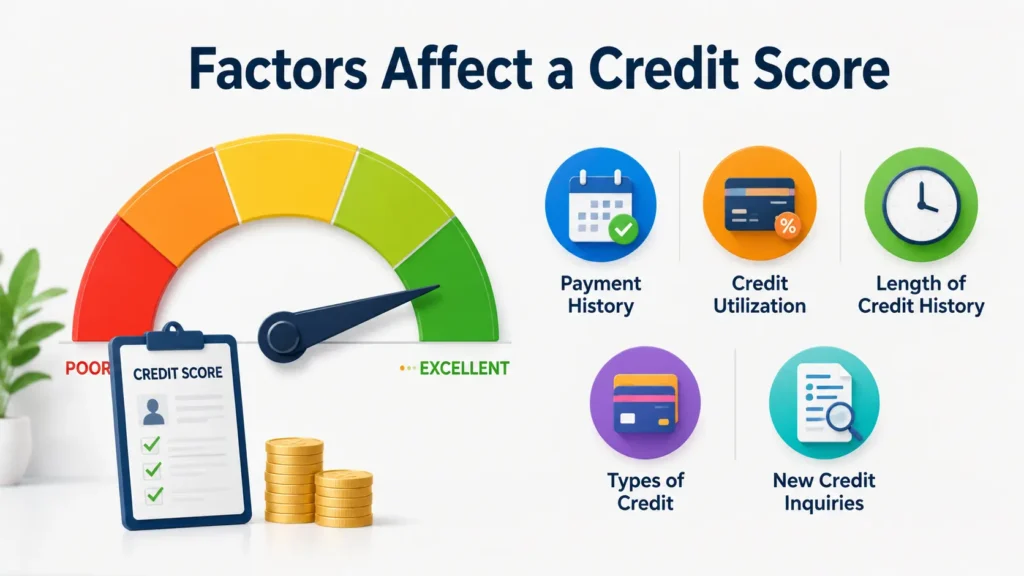
Understanding the factors that influence a credit score can help you improve it more effectively.
The most important factors include:
- Payment history
- Credit utilization ratio
- Length of credit history
- Types of credit used
- Recent credit inquiries
Improving these areas can have a positive impact on your overall credit profile.
10 Proven Ways to Improve Credit Score
1. Pay Bills and EMIs on Time
Your payment history is one of the most significant factors affecting your credit score.
Always pay:
- Credit card bills
- Personal loan EMIs
- Home loan EMIs
- Auto loan installments
Even a single missed payment can negatively affect your credit profile.
2. Keep Credit Utilization Below 30%
Credit utilization refers to the percentage of your available credit that you’re currently using.
| Credit Limit | Credit Used | Utilization |
|---|---|---|
| ₹1,00,000 | ₹25,000 | 25% |
Financial experts generally recommend keeping credit utilization below 30%.
Example
Suppose your credit card limit is ₹1,00,000 and you regularly spend ₹80,000 every month. Your utilization ratio becomes 80%, which may negatively impact your credit score even if you make payments on time.
Reducing utilization is often one of the fastest ways to improve a credit score.
3. Reduce Outstanding Debt
High levels of debt can make lenders view you as a higher-risk borrower.
Focus on:
- Paying off overdue balances
- Reducing credit card debt
- Clearing outstanding loans
Lower debt levels generally contribute to a healthier credit profile.
4. Avoid Multiple Credit Applications
Every loan or credit card application may result in a hard inquiry on your credit report.
Submitting multiple applications within a short period can lower your score and make lenders cautious about approving new credit.
Apply for new credit only when necessary.
5. Maintain Older Credit Accounts
The age of your credit history plays an important role in determining your credit score.
Older accounts help demonstrate long-term financial responsibility and can strengthen your credit profile.
Avoid closing old credit accounts unless absolutely necessary.
6. Review Your Credit Report Regularly
Regularly checking your credit report can help identify:
- Incorrect personal information
- Duplicate accounts
- Unauthorized activity
- Reporting errors
Correcting mistakes can help protect and improve your credit score.
7. Maintain a Healthy Credit Mix
A balanced mix of credit products can strengthen your overall credit profile.
Examples include:
- Credit cards
- Personal loans
- Home loans
- Auto loans
Managing different types of credit responsibly demonstrates financial discipline.
8. Avoid Maxing Out Credit Cards
Using most of your available credit limit can negatively affect your score.
Even if payments are made on time, consistently high credit utilization may signal financial stress to lenders.
Try to keep your credit card balances as low as possible relative to your available limit.
9. Set Up Automatic Payments
Late payments are one of the most common reasons for low credit scores.
Consider using:
- Auto-pay features
- Banking alerts
- Mobile reminders
- Calendar notifications
These tools can help ensure timely payments every month.
10. Be Patient and Consistent
Anyone learning how to improve credit score should understand that meaningful improvement takes time.
Responsible borrowing and repayment habits maintained over several months can gradually strengthen your credit profile and improve your score.
A Common Credit Score Mistake
One of the most common mistakes people make is paying only the minimum amount due on their credit cards.
While this may help avoid late payment fees, carrying large balances for extended periods can increase debt and negatively affect your credit score.
Whenever possible, pay more than the minimum amount due to reduce outstanding balances faster.
How Long Does It Take to Improve a Credit Score?
The time required to improve a credit score varies depending on your financial situation and the factors affecting your score.
| Action | Expected Impact |
|---|---|
| Timely Payments | High |
| Lower Credit Utilization | High |
| Reducing Outstanding Debt | High |
| Correcting Credit Report Errors | Medium |
| Avoiding Hard Inquiries | Medium |
| Maintaining Older Accounts | Medium |
Some people may notice improvements within a few months, while significant credit score increases often require longer periods of responsible credit management.
Expert Tips to Improve Credit Score Faster
If you’re serious about improving your credit score, consider these practical tips:
- Pay bills before the due date.
- Keep credit utilization below 30%.
- Avoid unnecessary borrowing.
- Monitor your credit report regularly.
- Reduce outstanding balances.
- Maintain older credit accounts.
- Build a consistent repayment history.
Improving a credit score is not about quick fixes. Long-term financial discipline is the key to sustainable results.
Final Thoughts
Understanding how to improve credit score is the first step toward building stronger financial health. There are no shortcuts when it comes to credit score improvement, but consistent habits can deliver meaningful results.
Paying bills on time, maintaining low credit utilization, reducing debt, and reviewing your credit report regularly are some of the most effective ways to strengthen your credit profile. The earlier you start, the easier it becomes to build a solid credit history and improve your financial opportunities in the future.