What Is Business Liability Insurance?

Business Liability Insurance is an insurance policy that protects a business against legal claims arising from its operations, products, services, employees, or business premises.
If a third party—including customers, clients, vendors, suppliers, or members of the public—claims that your business caused injury, property damage, financial loss, or professional negligence, the insurer may cover eligible legal costs, settlements, and compensation up to the policy limits.
Instead of paying these expenses from your business funds, the insurance company assumes the covered financial liability under the policy terms and conditions.
In simple terms, liability insurance protects your business from unexpected legal and financial losses caused by claims made by others.
Why Is Business Liability Insurance Important?
Many businesses assume liability insurance is only necessary for large corporations. In reality, businesses of every size face risks that can lead to costly legal claims.
Imagine a customer slips on a wet floor inside your store and suffers an injury. Even if the incident was accidental, the customer may seek compensation for medical expenses and other losses.
Similarly, a consultant may provide incorrect professional advice, a manufacturer may face a product defect claim, or a contractor may accidentally damage a client’s property during a project.
Without liability insurance, businesses may have to pay these expenses themselves, which can significantly affect cash flow and long-term financial stability.
Business liability insurance helps reduce these risks by covering eligible legal expenses and compensation while allowing the business to focus on its operations.
Who Should Buy Business Liability Insurance?
Business liability insurance is suitable for almost every industry.
It is particularly valuable for:
| Retail Stores | Customer injuries and property damage |
| Manufacturers | Product liability claims |
| Restaurants | Food-related injuries and accidents |
| Hospitals & Clinics | Medical and professional liability |
| IT Companies | Professional errors and cyber-related risks |
| Consultants | Advice-related financial losses |
| Construction Companies | Site accidents and third-party property damage |
| Logistics Companies | Transportation-related liabilities |
| Startups | Contractual and operational risks |
| E-commerce Businesses | Product defects and customer claims |
Even freelancers and small businesses can benefit from liability insurance because legal disputes are not limited to large organizations.
Types of Business Liability Insurance
Different businesses face different risks, which is why insurers offer several types of liability insurance.
1. Public Liability Insurance
Public Liability Insurance protects businesses against claims made by members of the public for accidental bodily injury or property damage caused by business activities.
For example, if a visitor slips inside your office due to a wet floor and suffers injuries, this insurance may cover legal expenses and compensation.
Businesses with regular customer interaction often consider this one of the most important liability policies.
2. Product Liability Insurance
Manufacturers, wholesalers, exporters, retailers, and distributors may face claims if a product causes injury or property damage.
Product Liability Insurance protects businesses against such claims.
Examples include:
- Defective electronic products
- Unsafe food products
- Faulty machinery
- Chemical products causing injury
- Cosmetic products leading to allergic reactions
This policy is particularly useful for businesses involved in manufacturing or selling physical products.
3. Professional Liability Insurance
Also known as Errors and Omissions (E&O) Insurance, Professional Liability Insurance protects service-based businesses against claims arising from professional mistakes, negligence, incorrect advice, or failure to deliver services as agreed.
It is commonly used by:
- Chartered Accountants
- Architects
- Engineers
- Lawyers
- Consultants
- IT Service Providers
- Doctors
- Financial Advisors
Professional liability insurance becomes increasingly important as businesses rely more on specialized expertise.
4. Directors and Officers (D&O) Liability Insurance
Company directors and senior executives make strategic decisions that can sometimes lead to legal action from shareholders, investors, regulators, employees, or other stakeholders.
D&O Liability Insurance helps protect directors and officers against personal financial losses arising from claims related to their management decisions.
It is especially valuable for startups seeking investment, private companies, and publicly listed businesses.
5. Cyber Liability Insurance
As businesses increasingly rely on digital systems, cyber risks have become more common.
Cyber Liability Insurance helps businesses manage financial losses resulting from cyber incidents such as:
- Data breaches
- Ransomware attacks
- Network security failures
- Customer data theft
- Business interruption due to cyberattacks
Businesses that store customer information or process online payments often consider cyber liability insurance an important part of their overall risk management strategy.
6. Employer’s Liability Insurance
Businesses have legal responsibilities toward their employees.
Employer’s Liability Insurance helps protect employers against claims arising from workplace injuries, occupational illnesses, or accidents for which the employer is legally liable.
It can also help cover legal defense costs and, where applicable, compensation.
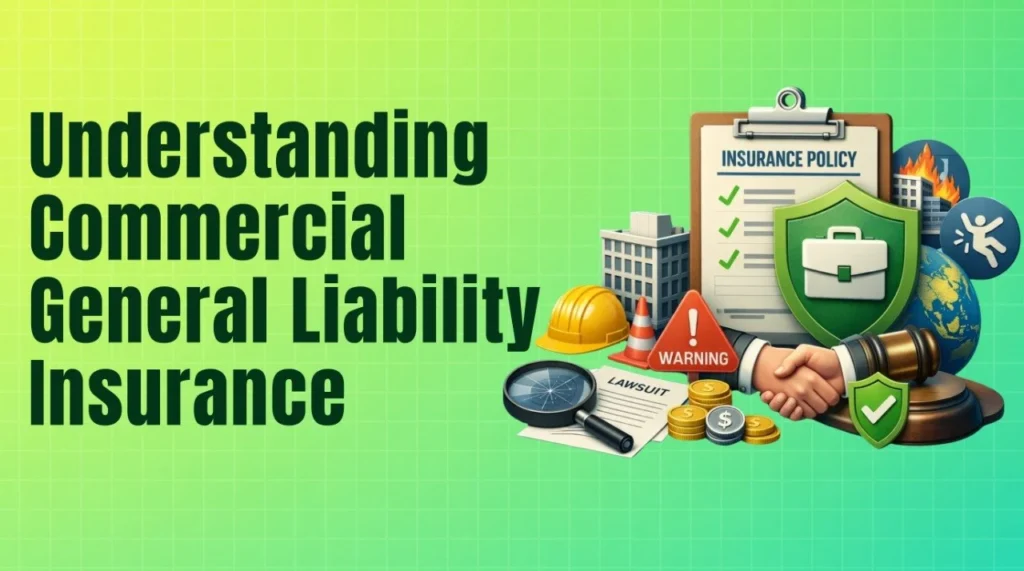
7. Commercial General Liability (CGL) Insurance
Commercial General Liability Insurance combines multiple liability protections into one policy.
It typically covers:
- Third-party bodily injury
- Property damage
- Legal defense costs
- Personal injury claims
- Advertising injury
- Medical expenses (where applicable)
Many businesses choose CGL policies because they provide broad protection against common business risks.
What Does Business Liability Insurance Not Cover?
Although business liability insurance provides extensive financial protection, it does not cover every type of business risk. Every policy includes exclusions that define situations where the insurer will not pay a claim. Understanding these exclusions is just as important as understanding the coverage.
Generally, business liability insurance does not cover:
- Intentional or fraudulent acts committed by the insured.
- Criminal activities or penalties imposed by courts or regulators.
- Employee injuries under a general liability policy (these are typically covered under Employer’s Liability or Workers’ Compensation policies, where applicable).
- Damage to the business owner’s own property, machinery, inventory, or office building.
- Normal wear and tear, poor maintenance, or gradual deterioration.
- Contractual liabilities that are not specifically covered by the policy.
- Losses arising from war, terrorism, nuclear incidents, or other excluded catastrophic events, unless specifically included.
- Cyberattacks or data breaches are not covered under a standard liability policy unless Cyber Liability Insurance has been purchased.
- Professional mistakes are under a general liability policy unless Professional Liability Insurance is included.
- the inflation and changing legal requirements.
How to Choose the Right Business Liability Insurance
Choosing the right policy requires more than comparing prices. A cheaper policy may provide limited protection, while a slightly higher premium could offer broader coverage and better financial security.
When comparing policies, consider the following:
- Assess the risks specific to your business and industry.
- Identify the types of liability you are most likely to face.
- Compare coverage limits, exclusions, and deductibles.
- Check whether legal defense costs are included in or excluded from the policy limit.
- Review the insurer’s claim settlement process and customer support.
- Understand policy conditions, waiting periods, and reporting requirements.
- Ensure the policy complies with any contractual or regulatory obligations applicable to your business.
- Review the policy annually as your business expands or introduces new products and services.
Working with an experienced insurance advisor can also help ensure your business has adequate protection.
How to File a Business Liability Insurance Claim
If an incident occurs that may lead to a liability claim, acting promptly can improve the claims process.
The typical process includes:
Step 1: Inform your insurance company immediately after becoming aware of the incident.
Step 2: Collect all relevant documents, including photographs, contracts, invoices, medical reports, witness statements, and any legal notices.
Step 3: Submit the claim form along with supporting evidence.
Step 4: Cooperate with the insurer during the investigation and provide any additional information requested.
Step 5: The insurer evaluates whether the claim falls within the policy coverage and applicable terms.
Step 6: If approved, the insurer pays eligible legal expenses, settlements, or compensation up to the policy limit.
Timely reporting and accurate documentation are essential for a smoother claims process.
Latest Trends in Business Liability Insurance (2026)
Business risks continue to evolve, and liability insurance is adapting to meet these challenges. Some of the most notable trends in 2026 include:
Increased Demand for Cyber Liability Insurance
With businesses relying heavily on digital platforms, cloud computing, and online transactions, cyber threats such as ransomware, phishing, and data breaches have become increasingly frequent. Many insurers now offer enhanced cyber liability coverage as part of comprehensive business insurance solutions.
Growing Focus on Professional Liability
As service-based industries continue to expand, professionals such as consultants, IT firms, architects, engineers, and healthcare providers are increasingly investing in Professional Liability Insurance to protect against claims arising from errors or negligence.
Higher Awareness Among MSMEs
Micro, Small, and Medium Enterprises (MSMEs) are becoming more aware of the financial impact of legal disputes. More small businesses are purchasing liability insurance to safeguard their operations and meet client or contractual requirements.
Industry-Specific Insurance Solutions
Insurers are introducing customized liability policies tailored to sectors such as healthcare, manufacturing, construction, hospitality, retail, technology, and logistics. These policies address the unique risks associated with each industry.
Digital Policy Management
Many Many insurers now provide online policy purchases, digital renewals, electronic documentation, and faster claim tracking, making liability insurance more accessible and convenient for businesses.al Thoughts
No business is completely free from legal or financial risks. Whether you operate a small startup, a growing MSME, or a large enterprise, a single liability claim can disrupt operations and lead to significant financial losses. Business Liability Insurance acts as an important financial safeguard by covering eligible legal expenses, compensation, and third-party claims that may arise from your business activities.
The right policy depends on your industry, the nature of your products or services, and the level of risk your business faces. Instead of focusing only on premium costs, evaluate the scope of coverage, exclusions, claim process, and policy limits to ensure your business is adequately protected.
As business environments continue to evolve amid increasing regulatory expectations, digital risks, and customer awareness, regularly reviewing your liability insurance can help your business remain resilient and prepared for unexpected challenges. Investing in suitable liability coverage today can provide long-term financial stability and greater confidence as your business grows.