Driving a vehicle in India without third party insurance is illegal. It is also one of the most important protections on the road because it helps compensate other people if your vehicle causes harm. In simple terms, this cover works like a social safety net: it does not protect your own car, but it protects the people and property affected by an accident involving your vehicle.
If you own a car or bike, understanding this policy is not just about compliance. It helps you know what the law expects, what the insurance actually pays for, and how an accident claim works for the victim. That clarity can save time, reduce confusion at the accident scene, and help you avoid costly mistakes.
What is Third Party Insurance?
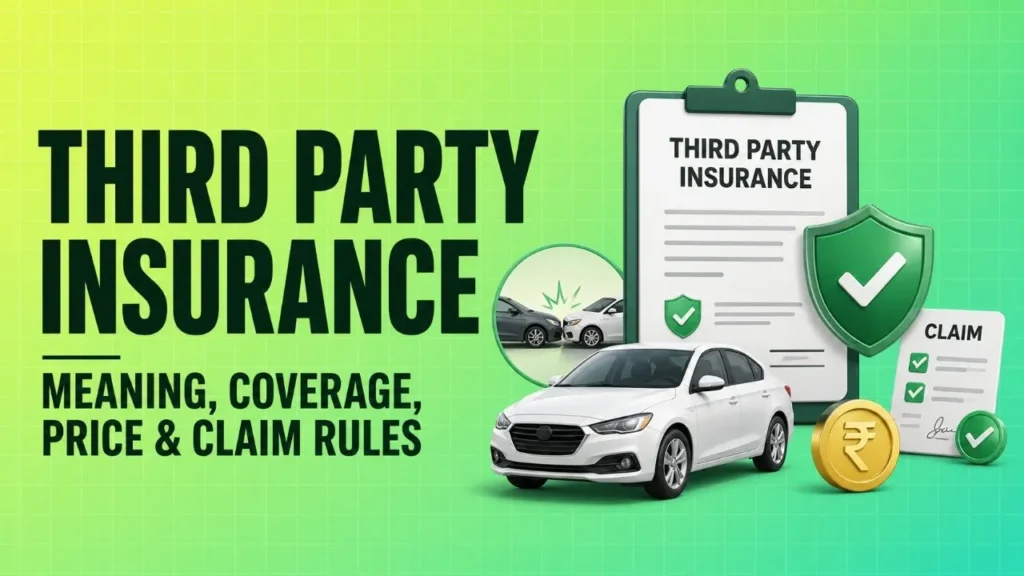
Third party insurance is a mandatory liability-only motor insurance cover in India. It is designed to pay compensation when your vehicle causes injury, death, or property damage to another person. The “third party” is anyone other than you and the insurer. It can be a pedestrian, another driver, a passenger in another vehicle, or the owner of damaged property.
The key point is that the money does not go to the policyholder for their own vehicle damage. Instead, it is meant to compensate the victim or their legal heirs, subject to the claim outcome and the policy terms. This is why third-party insurance is often called a legal liability cover rather than a repair cover.
Under the Motor Vehicles Act, 1988, third-party insurance is mandatory for motor vehicles used on public roads. The law is meant to make sure that victims of road accidents have a route to financial compensation, even if the person responsible does not have enough personal savings to pay immediately.
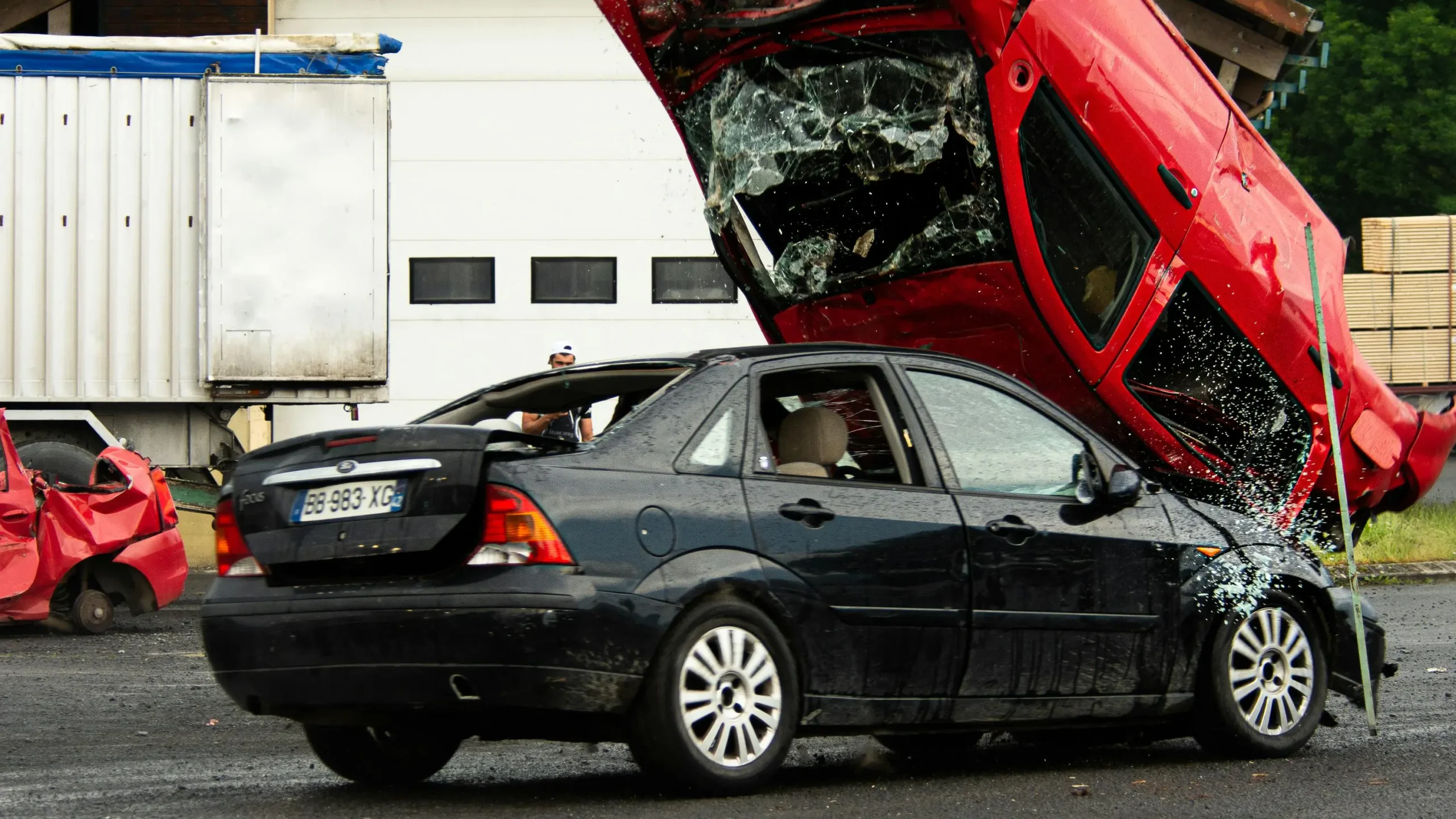
What Does Third Party Insurance Cover?
Third party insurance mainly covers two kinds of losses caused to others by the insured vehicle:
- Bodily injury or death of a third party: If someone is injured or dies in an accident caused by your vehicle, compensation can be claimed by the affected person or their family through the legal claim process.
- Damage to third party property: If your vehicle damages someone else’s car, boundary wall, shop shutter, or other property, the policy can cover the liability up to the applicable legal limit.
In India, the property damage liability under third-party motor insurance is capped at ₹7.5 lakh as per current standard regulations. For bodily injury or death, the liability is generally decided through the legal compensation process and can be much larger than property damage claims because it depends on the facts of the case, income loss, medical expenses, disability, and other legal factors.
That is why the policy is best understood as legal protection against the harm caused to others, not as a way to fix your own vehicle after an accident.
Important Exclusions to Know
Third party insurance is useful, but it does not cover everything. Some common exclusions and limitations are:
- Own vehicle damage: Your car or bike repair bills are not paid under a third-party-only policy.
- Driving outside the policy’s geographical limits: Coverage can be restricted if the accident happens in a place not covered by the policy conditions.
- Driving under the influence: If the driver is intoxicated, the insurer may deny liability protections as allowed by the policy and law.
- Driving without a valid licence: If the driver does not have a valid licence for that class of vehicle, the claim can be affected.
Also remember that insurance claim outcomes depend on the exact policy wording, accident facts, and applicable legal provisions. Always read the policy document carefully and keep a copy in the vehicle or on your phone for quick access.
Third -Party vs Comprehensive Insurance
Many people confuse third-party insurance with comprehensive insurance. A simple comparison helps make the difference clear.
| Feature | Third Party Insurance | Comprehensive Insurance | What Users Should Choose |
|---|---|---|---|
| What it covers | Damage or injury caused to others | Third-party liability plus own vehicle damage, subject to policy terms | Choose based on whether you want only legal compliance or broader protection |
| Own vehicle repair | No | Yes, if covered under the policy | Comprehensive is better if you want protection for your own vehicle too |
| Legal requirement | Mandatory for vehicles on public roads | Not mandatory | Third-party is the minimum legal cover; comprehensive is optional but broader |
| Claim beneficiary | Third party or victim | Policyholder and third party, depending on the loss | Read the coverage carefully before buying or renewing |
| Premium | Usually lower and regulated by IRDAI notifications | Usually higher because of wider protection | Compare the cover, not just the price |
Note: Coverage is subject to policy wordings, vehicle category, and current IRDAI-regulated rules. Always verify the latest terms with the insurer before purchase or renewal.
The Claim Process: How it Works for the Victim
If an accident happens, the third-party claim process is usually handled through the legal compensation system rather than a simple online reimbursement. The exact route can vary depending on the severity of the accident, the evidence available, and whether the matter settles or goes before the tribunal.

Here is the usual flow:
- Incident: The accident takes place and causes injury, death, or property damage.
- FIR or police complaint: A First Information Report or police record is often important, especially in injury, death, or major property damage cases.
- Evidence collection: Photos, videos, witness details, medical reports, repair estimates, and vehicle numbers help establish what happened.
- Claim application: The victim or legal heirs file a compensation claim before the Motor Accident Claims Tribunal (MACT).
- MACT proceedings: The tribunal reviews the facts, hears both sides, and decides compensation based on the evidence and applicable law.
- Settlement or award: Compensation is paid as per the tribunal order or through settlement if the matter is resolved earlier in the process.
The MACT is a specialised tribunal for motor accident compensation cases. It is designed to handle these claims faster and more systematically than ordinary civil litigation. For a victim, this tribunal is the main legal route to seek compensation after a road accident.
If you are involved in an accident scene, stay calm, share details, call emergency help if needed, and document the facts carefully. A clear record often makes the claim process smoother for everyone involved.
Documents Required for a Third-Party Claim
The exact list can vary based on the case, but these are the common documents needed for a third-party claim in India:
- Copy of the insurance policy
- FIR or NCR, where applicable
- Driving licence of the driver
- Registration certificate of the vehicle
- Medical records, hospital bills, or post-mortem documents in injury or death cases
- Death certificate, if the claim is for fatality compensation
- Photos, witness statements, and any police documentation related to the accident
Keep the policy copy accessible because it helps identify the insurer, policy number, and vehicle details quickly when a claim starts.
Why is this Policy Mandatory in India?
Third party insurance is mandatory under the Motor Vehicles Act, 1988 because road accidents can create serious financial loss for people who did nothing wrong. Without mandatory liability insurance, victims may struggle to get compensation if the person who caused the accident cannot pay.
The law balances road usage with public protection. If you drive on Indian roads, you must carry at least the minimum liability cover so that the financial burden does not fall entirely on the injured person or their family. In that sense, third-party insurance is not just a vehicle requirement; it is a public protection measure.
Driving without valid third-party insurance is a punishable offence. Penalties can include fines and other legal consequences under traffic laws, and repeated or serious violations can attract stronger action. Because rules and penalties can change, always check the latest provisions from official government or transport sources.
Common Myths About Third-Party Insurance
Third party insurance is often misunderstood. Here are a few common myths and the facts behind them:
- Myth: It covers my car’s dents and repair bills.
Fact: No. A third-party policy does not pay for your own vehicle damage. - Myth: It is a waste of money if I drive carefully.
Fact: Even careful drivers can be involved in accidents caused by road conditions, other vehicles, or unexpected events. The policy exists to meet legal liability. - Myth: Only big accidents matter.
Fact: Even a minor accident can create property damage or injury claims, and the legal process still matters. - Myth: The insurer directly pays the victim in every case without checks.
Fact: Claims are subject to documentation, investigation, and the legal process, especially when MACT is involved.
The safest way to think about third-party insurance is this: it protects you from the legal and financial consequences of harming others on the road, but it does not repair your own vehicle.
Premiums, claim rules, and policy wordings can change over time based on regulatory updates. Before renewing or relying on any policy, check the latest IRDAI guidance and the insurer’s official policy wording.
FAQs
Does third-party insurance cover my own car repairs?
No. Third-party insurance does not cover damage to your own car or bike. It only covers your legal liability toward other people, their injuries, death, or property damage.
Can I be jailed for driving without third-party insurance?
Driving without valid third-party insurance is a traffic violation and can lead to penalties, fines, and legal action. In serious or repeated cases, stronger action may apply under the law, so it should never be ignored.
What is the role of the MACT?
The Motor Accident Claims Tribunal, or MACT, is the special tribunal that hears compensation claims arising from road accidents. It decides how much compensation should be paid in injury, death, or other motor accident cases.
Is the premium for third-party insurance fixed?
For standard motor third-party policies, premiums are generally notified by IRDAI and can be revised periodically. The amount may vary by vehicle type and regulatory updates, so always check the latest premium before renewal.
Does the cover expire if I sell my car?
The policy does not automatically remain useful for the new owner in the same way after a sale. The insurance should be transferred or updated as per insurer procedure so that the vehicle records and liability cover remain aligned with the current owner.
What is the “unlimited liability” clause?
It means liability for death or bodily injury to a third party is not treated like a small fixed repair bill. Compensation can be much higher and is decided through the legal claim process based on the facts of the case and applicable law.